
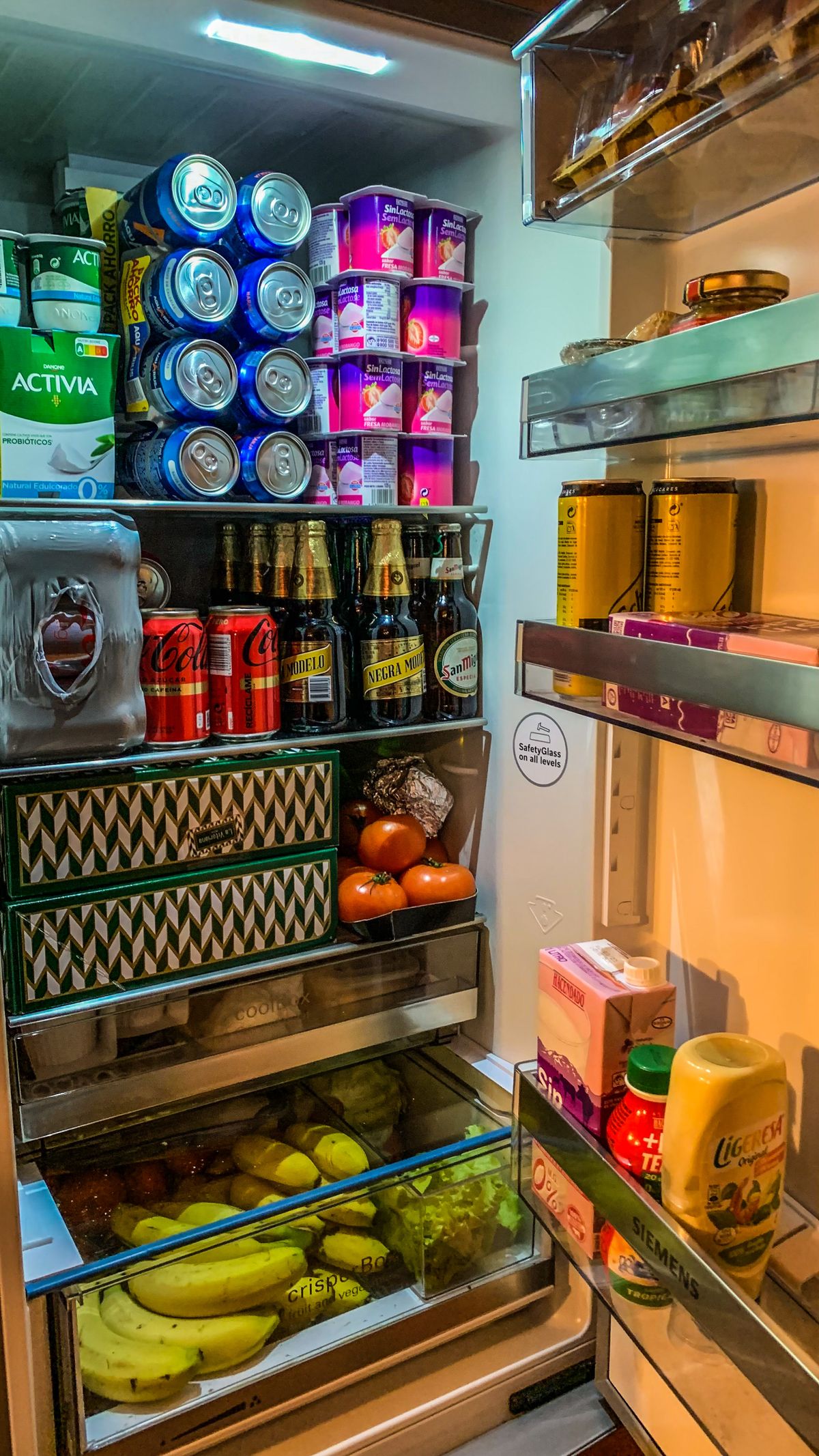
18 Brilliant Fridge Organization Hacks
Organize your fridge by temperature zone, not by what fits where. Fridge at 40°F or below, raw meat on the bottom, milk and eggs off the door.
Food waste is the reason to bother: ReFED’s 2026 report puts consumer food waste at about $762 per person per year — $3,000+ for a family of four. The fix is zones, not more containers. Ready-to-eat food goes on top, dairy in the middle, raw meat on the bottom shelf on a tray, produce in the crispers, condiments only in the door — the door is the warmest spot. Milk and eggs move to a middle shelf; I moved ours out of the door and the milk lasted two extra days. A clear “Use First” bin at eye level holds near-expiry items and leftovers, new groceries go behind older ones, and a five-minute weekly reset before shopping keeps it working. Clear bins run $8–$15, a lazy Susan $10–$20, a full set $15–$30 — measure the shelf first, because I once bought bins two inches too wide for our 14-inch-deep shelves.
I believe an organized refrigerator can make everyday cooking much easier, and these fridge organization hacks are how I keep it that way. When I can see what I have, find ingredients
quickly, and store leftovers properly, I spend less time searching for food and waste less of what I buy.
The good news is that I don’t need an expensive refrigerator makeover to get better results. A few glass jars, storage baskets, labels, and simple space-saving tricks can help me create a fridge that works for my family’s daily needs.
I can make my refrigerator cleaner, more organized, and easier to use with these 18 practical fridge organization hacks. From storing fresh produce in glass jars to arranging frozen food in bins, each idea helps me make better use of the available space.
I’ll also share ways to organize bottles, sauces, drinks, snacks, leftovers, and meal-prep containers. Whether I have a large refrigerator or a small freezer with limited storage, these budget-friendly ideas can help me find ingredients faster and keep track of the food I already have.
The 18 ideas cover the whole fridge and freezer: fresh produce in glass jars, sauces on a turntable, bottles held steady, drinks, snacks, and meal-prep containers, plus labels and bins that keep everything visible. Each idea lists its honest cost, time, and difficulty, so I start with the shelf that causes the most chaos first.
Key Takeaways
- I use clear glass jars to store suitable fresh produce and make ingredients easier to see.
- I divide refrigerator and freezer shelves into categories with baskets and bins.
- I add labels and dates to containers so I can identify food and use older items first.
- I use vertical storage solutions to make better use of limited refrigerator space.
- I keep leftovers and prepared meals in clean, food-safe, airtight containers.
- I avoid overcrowding my refrigerator and keep perishable foods at a safe temperature.
- I choose inexpensive organizers that fit my refrigerator instead of buying products I don’t need.
1. Ball Glass Jars are Great for Fresh Produce Storage

I like using clear glass jars because they make it easy to see what’s inside without opening every container. They can work well for washed and properly dried herbs, chopped vegetables, and other ingredients when stored under suitable conditions.
For fresh herbs, I sometimes prefer a jar with a small amount of water, depending on the type of herb. Some herbs respond well to this method, while others last longer when wrapped loosely and stored in the refrigerator.
Pro Tip: I always make sure my jars are clean and suitable for food storage. I also check the condition of the produce regularly and avoid assuming that every vegetable will last longer in a sealed jar. Some produce needs airflow or a different storage method.
2. Multi-Purpose Bins Will Save Your Freezer

I find freezer bins especially useful when frozen vegetables, fruit, meat, and prepared meals are all mixed together. Instead of searching through several bags, I can give each category its own container.
For example, I can use one bin for frozen vegetables, another for fruit, and a separate section for packaged meat. Smaller items stay together, and I can quickly see which supplies are running low.
Before buying freezer organizers, I measure the drawers and shelves to make sure the bins fit properly. I also leave enough room for the freezer to close easily and for the stored food to remain accessible.
Pro Tip: I label each freezer bin and keep an inventory of the items inside. When I add new food, I place older packages toward the front so I remember to use them first.
For more ideas in this area, see my guide on freezer organization.
3. Use Binder Clips to Organize Bottles

Bottles can slide around when refrigerator shelves are crowded, especially if the surface is smooth. I prefer to arrange bottles in a designated section instead of allowing them to roll or fall whenever I take something out.
A binder clip can sometimes help keep lightweight items in place on a compatible wire shelf. However, I check that the clip fits securely and doesn’t damage the shelf or interfere with cleaning.
For most refrigerators, I find that a bottle organizer or a shallow, sturdy tray is a more practical long-term option. I keep heavy glass bottles low and avoid stacking containers in a way that could cause them to fall.
4. A Turntable Will Keep Your Sauces Organized

I find a refrigerator turntable useful for storing small jars and bottles that tend to disappear behind larger containers. Instead of reaching into the back of a crowded shelf, I can rotate the tray to bring the item I need closer.
I usually reserve this space for frequently used sauces, dressings, spreads, and condiments. Keeping similar products together also helps me notice when I already have an open bottle before buying another one.
Before choosing a turntable, I measure the shelf depth and height. I also check that the tray rotates freely without hitting the refrigerator walls or nearby containers.
5. Drink Dispenser Will Change Your Life

If I regularly prepare homemade juice, infused water, or another chilled drink, a refrigerator-safe beverage dispenser can make serving much easier. It gives me one dedicated place for the drink instead of several loose bottles taking up space.
I choose a dispenser that fits securely on a shelf and has a tap that is easy to clean. I also make sure there’s enough clearance to operate the tap without spilling liquid onto other foods.
Pro Tip: I label homemade drinks with the preparation date and follow appropriate refrigeration guidance for the ingredients. I clean the dispenser thoroughly between batches, paying special attention to the tap and lid.
6. Magnetic Tins for Your Fridge

Magnetic tins can provide a clever way to organize lightweight items when the refrigerator has a suitable magnetic surface. I can use them for small household accessories or other appropriate items that don’t need to be stored inside the refrigerator.
For food storage, I make sure the tins are specifically suitable for the intended use. I wouldn’t place nuts or other food directly into a container unless its materials and construction are safe for food contact.
I also check the refrigerator’s exterior before attaching anything. Not every refrigerator door is magnetic, and some surfaces may scratch or become damaged if unsuitable magnets are used.
7. Labels Will Keep You Sane

I find labels helpful when several people share the same refrigerator. They make it easier for everyone to understand where ingredients belong and reduce the chances of food being pushed into random corners.
I can label baskets by category, such as breakfast items, snacks, sauces, or meal-prep ingredients. For leftovers and prepared food, I write the contents and the date so I can identify them without opening every container.
I prefer simple, readable labels rather than complicated color-coding systems. If I use colors, I keep the system consistent so that every family member can understand it.
8. A Slide-Out Holder for Ziploc Bags

I sometimes find that cheese packets, small food bags, and other thin packages get buried beneath larger containers. A slide-out organizer can help keep these items visible and easier to reach.
I can arrange compatible bags or packages in a holder according to their contents or use-by dates. For example, I keep opened cheese packages together and place the items that need attention soonest at the front.
Pro Tip: I write the opening date on packages when it helps me keep track of freshness. I also check whether the original packaging provides storage instructions before transferring food to another container.
9. Divide Your Freezer with Magazine Holders

Before trying this idea, I check whether the holder is made from a material suitable for freezer conditions. Ordinary cardboard or untreated materials may become damp, weaken, or absorb spills, so I prefer washable, freezer-compatible alternatives.
Magazine holders can sometimes help organize flat freezer packages, especially in freezers with open shelves rather than separate drawers. They can keep suitable bags upright and prevent them from spreading across the entire shelf.
I can use separate sections for frozen vegetables, fruit, bread, and prepared meals. This makes it easier to see what I have and reduces the amount of time I spend moving packages around.
10. Bottle Stabilizers are Essential

I like bottle stabilizers as fridge organization hacks because they can help keep bottles from rolling or shifting around on refrigerator shelves. They’re particularly useful when I have several similarly sized containers and want to keep them together.
Depending on the refrigerator’s layout, I can also use a sturdy bottle rack or a shallow tray with dividers. These alternatives may be easier to remove when I need to clean the shelf.
I always check the weight limit and make sure bottles sit securely in the organizer. Heavy glass bottles should never be balanced in an unstable stack, especially when the refrigerator door opens and closes frequently.
11. Use Plastic Wrap to Keep Your Fridge Clean

I prefer to prevent refrigerator messes rather than spend extra time cleaning them later. Keeping food in covered containers and wiping up spills promptly can make routine maintenance much easier.
Although covering shelves with plastic wrap might seem convenient, I avoid using it if it interferes with airflow, blocks vents, or affects the refrigerator’s performance. It can also create unnecessary waste when a washable alternative would work better.
Instead, I use removable trays for items that might leak and store leftovers in tightly covered, food-safe containers. When a spill occurs, I clean it promptly with a suitable cleaning method and dry the area before returning food.
12. Baskets are Everything!

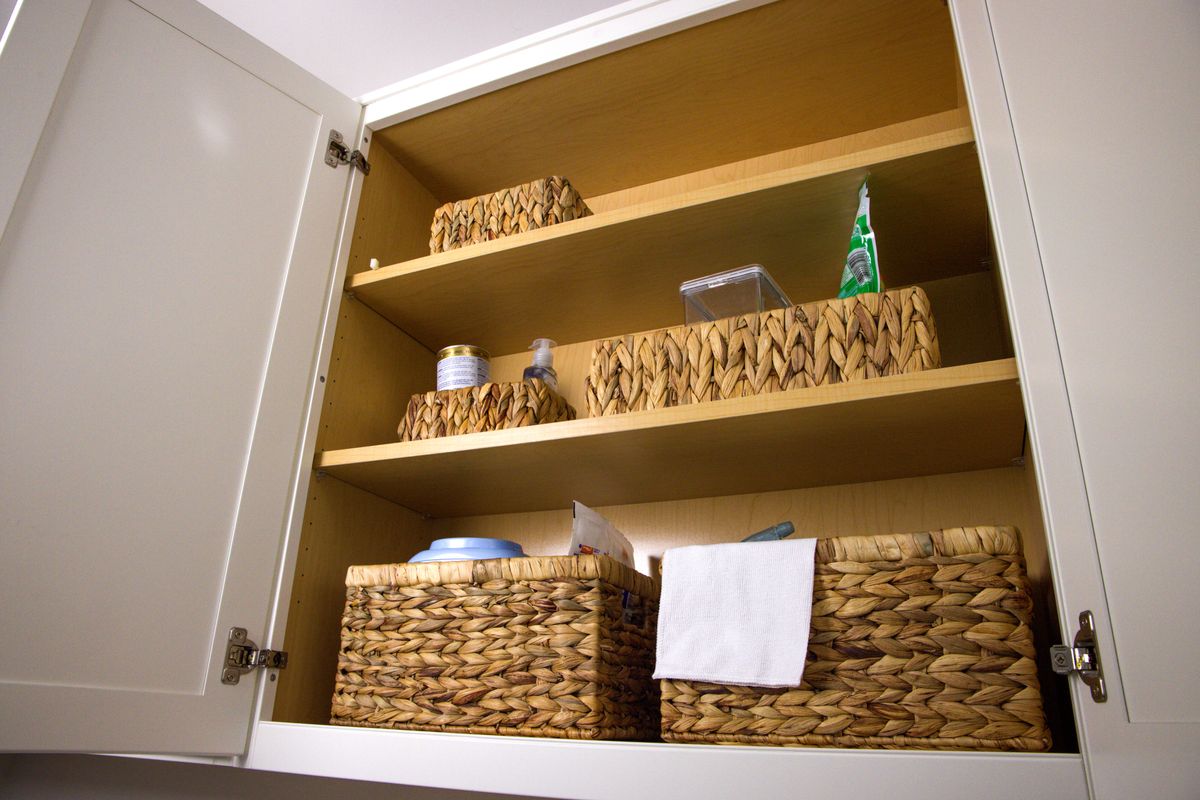
Baskets are among my favorite refrigerator organization tools because they create clear sections without requiring a complicated storage system. I can dedicate one basket to breakfast ingredients, another to snacks, and another to items that need to be used soon.
I choose baskets that fit the shelves and are easy to remove for cleaning. Clear plastic options are especially convenient because I can see the contents without pulling each basket out.
Pro Tip: I label baskets according to how I use the food rather than creating too many categories. A simple system with a few useful sections is easier to maintain than a refrigerator filled with organizers.
The same basket system runs the pantry shelves too — the pantry organization ideas guide zones dry goods the same way, so nothing hides at the back.
13. Sealable Bags Will Save You from Wasting Food

Sealable bags can be useful for storing portions of food, organizing freezer ingredients, and preparing meals ahead of time. I especially like them for foods that can be stored safely in flexible packaging designed for refrigeration or freezing.
When freezing suitable foods, I remove excess air from freezer-safe bags and lay them flat when possible. This helps save space and makes the packages easier to stack once frozen.
I label each bag with its contents and preparation date. That way, I can identify the food quickly instead of guessing what’s inside an unlabeled package.
The FDA’s two-hour rule is the line behind this one — perishables should not sit out at room temperature for more than two hours, one hour if it is above 90°F, and the fridge itself must stay at or below 40°F.
14. Use Sealable Containers for Meal Prepping

Meal-prep containers help me keep prepared ingredients and leftovers organized throughout the week. Rather than storing several open bowls in the refrigerator, I can use containers with secure lids that fit neatly on the shelves.
I choose food-safe containers that are easy to clean and stack without becoming unstable. Similar shapes and sizes make it easier to arrange them, while transparent sides help me identify the contents quickly.
Pro Tip: I prepare labels before filling my containers. Writing the dish name and date at the beginning saves time later and helps me rotate meals in a sensible order.
For more ideas in this area, see my guide on organize food containers.
Meal-prep containers live in the fridge, but the prep itself happens on the counter — the kitchen counter organization guide keeps that workspace clear for it.
Cooked leftovers last 3 to 4 days at 40°F or below — the FoodSafety.gov Cold Food Storage Chart lists the per-item times, so I label every container with the date I cooked it.
15. Use Free Editable Labels

Printable labels are a practical choice when I want to organize my refrigerator or freezer without spending much money. I can customize them with food names, storage dates, meal categories, or other details that make sense for my household.
For example, I might label containers as vegetables, cooked meals, breakfast items, or leftovers. For frozen food, I include the contents and the date it was frozen so I can keep track of what needs to be used first.
I prefer labels that are easy to read and can handle the conditions in which they’ll be used. If a label becomes wet or starts peeling, I replace it so the information stays clear.
Pro Tip: I keep the labeling system simple. A food name and date are usually more useful for everyday storage than adding too much information to a small sticker.
16. Can Organizers are Amazing

If I regularly keep canned drinks in the refrigerator, a can organizer can help me arrange them neatly. Instead of spreading cans across several shelves, I can keep them in one designated area.
Some organizers use a gravity-fed design that moves the next can forward when one is removed. Others are simple racks that keep cans grouped together. I choose the style that fits my refrigerator and the number of drinks I usually store.
Before buying one, I measure the available shelf space and check the organizer’s capacity. I also avoid filling the refrigerator with more drinks than I can use, especially if that would leave too little room for fresh food.
The can dispenser is only for the cans in the fridge — the organize canned goods guide runs the same system for the whole can collection.
17. Stack Your Plates with a Corner Shelf

A corner shelf or refrigerator shelf riser can create an extra level for suitable containers and plates. I find this especially helpful when storing leftovers or dishes that would otherwise occupy a large amount of horizontal space.
I choose a stable shelf insert that fits securely and leaves enough room for food containers to slide in and out. Before stacking anything, I check the weight limit and make sure the upper level won’t become unstable.
I also cover leftovers properly and avoid stacking uncovered plates where food could spill or become contaminated. If a dish is too large or heavy, I place it on a full, stable shelf instead.
18. Use Hangers to Hang Your Snacks

Small snack packages can quickly clutter a refrigerator or freezer, particularly when several people share the space. I prefer to group them in a dedicated basket or organizer so they’re easy to find and don’t get lost behind larger items.
Some hanging organizers can hold lightweight packets, but I check their material, attachment method, and temperature suitability before using them in a cold environment. Ordinary pantry clips or hangers aren’t automatically suitable for refrigerator use.
Pro Tip: I place frequently used snacks where they’re easy to reach and keep heavier food on stable shelves. This helps everyone put items back in the correct place without creating extra clutter.
For more ideas in this area, see my guide on snack organization.
| Approach | Ideas in this guide | Best for | Effort |
|---|---|---|---|
| Clear bins and baskets | Multi-Purpose Bins Will Save Your Freezer, Divide Your Freezer with Magazine Holders, Baskets are Everything! | Grouping by category on deep shelves and in the freezer, where loose items slide around | Low — bins and baskets work the moment you place them |
| Jars and bottles | Ball Glass Jars are Great for Fresh Produce Storage, Use Binder Clips to Organize Bottles, Bottle Stabilizers are Essential, Drink Dispenser Will Change Your Life | Produce, drinks, and bottles that roll or tip | Low — jars, clips, and stabilizers are set-and-forget |
| Small-space tools | A Turntable Will Keep Your Sauces Organized, Magnetic Tins for Your Fridge, Can Organizers are Amazing, Stack Your Plates with a Corner Shelf, Use Hangers to Hang Your Snacks | Doors, small fridges, and the corners where things get lost | Low — these tools use space the fridge already has |
| Labels and systems | Labels Will Keep You Sane, Use Free Editable Labels | Shared fridges, where more than one person stores and eats the food | Low — label once, and everyone knows what is what |
| Freshness and cleaning | A Slide-Out Holder for Ziploc Bags, Use Plastic Wrap to Keep Your Fridge Clean, Sealable Bags Will Save You from Wasting Food, Use Sealable Containers for Meal Prepping | Cutting waste and making the weekly clean-out painless | Low — lining a shelf or sealing a container takes a minute |
Mistakes I Made
Overfilling the bins. I once packed bins so full that I could not see what was behind the front row, which defeated the whole point. A bin with a little breathing room is one I can actually use.
No labels on leftovers. Mystery containers piled up because nobody knew what was inside or when it went in, so most of them ended up thrown away. A quick label now saves food and arguments later.
Sealing leftovers while still hot. I used to seal hot food straight away, and it spoiled faster than it should have. Letting food cool before sealing keeps it fresher for longer.
One big clean-out, then no upkeep. A single heroic fridge clean lasted about a week before the mess came back. A small weekly reset keeps the system working without another big overhaul.
Storing everything on the door. I loaded the door with things that did not belong there, and they fell out every time the door swung. The door suits a few sturdy items, not the whole fridge.
Frequently Asked Questions
1. How can I organize my fridge on a budget?
I can organize my fridge on a budget by reusing clean food-safe containers, glass jars, and baskets I already have at home. Adding simple labels and grouping similar foods together also helps me keep everything tidy without buying expensive organizers.
2. What is the best way to organize food in the refrigerator?
I organize my refrigerator by grouping similar foods together and keeping frequently used ingredients easy to reach. I store raw meat in sealed containers on the lowest shelf to prevent leaks, keep ready-to-eat foods separate, and use clear bins to make items easier to find.
3. How often should I clean and organize my fridge?
I prefer to check my refrigerator weekly for expired food, spills, and ingredients that need to be used soon. I also clean the shelves and drawers when needed and give the refrigerator a more thorough cleaning regularly to maintain a hygienic storage space.
Conclusion
I don’t think organizing a refrigerator has to be expensive or time-consuming. With a few practical changes, I can make better use of the shelves, keep ingredients visible, and create a storage system that’s easier for everyone in the household to maintain.
My favorite approach to fridge organization hacks is to start with the areas that cause the most trouble. If bottles keep falling over, I organize them first. If leftovers disappear behind other food, I add clear containers and labels. Small improvements can make a noticeable difference without requiring a complete refrigerator makeover.
This fridge system is one part of the kitchen — the kitchen organization ideas guide is the map for the rest of it, from the pantry to the counters.


2 Comments