

20 Bedroom Organization Ideas That Actually Work in Real Bedrooms
I tested these bedroom organization ideas in my own bedroom over several months, because a bedroom should help you rest, not remind you of clutter. My rule was simple: every idea had to work in a real bedroom with real laundry, real books, and real mornings.
The 20 ideas below cover every bedroom zone: the nightstand, dresser, under-bed space, closet, door, vanity, desk, laundry flow, kids’ corner, and linen storage. Every idea lists its honest cost, time, and difficulty, so start with the zone that bothers you most each morning.
Key Takeaways
- Bedroom organization works best zone by zone, not all at once.
- Nightstand, closet, and under-bed space hold most bedroom clutter.
- Small containers beat big bins for dressers, drawers, and vanities.
- A short evening reset keeps every system here working all week.
- Keep only weekly-use items in the bedroom; store the rest elsewhere.
1. Bedroom Organization Ideas for a Clear Nightstand

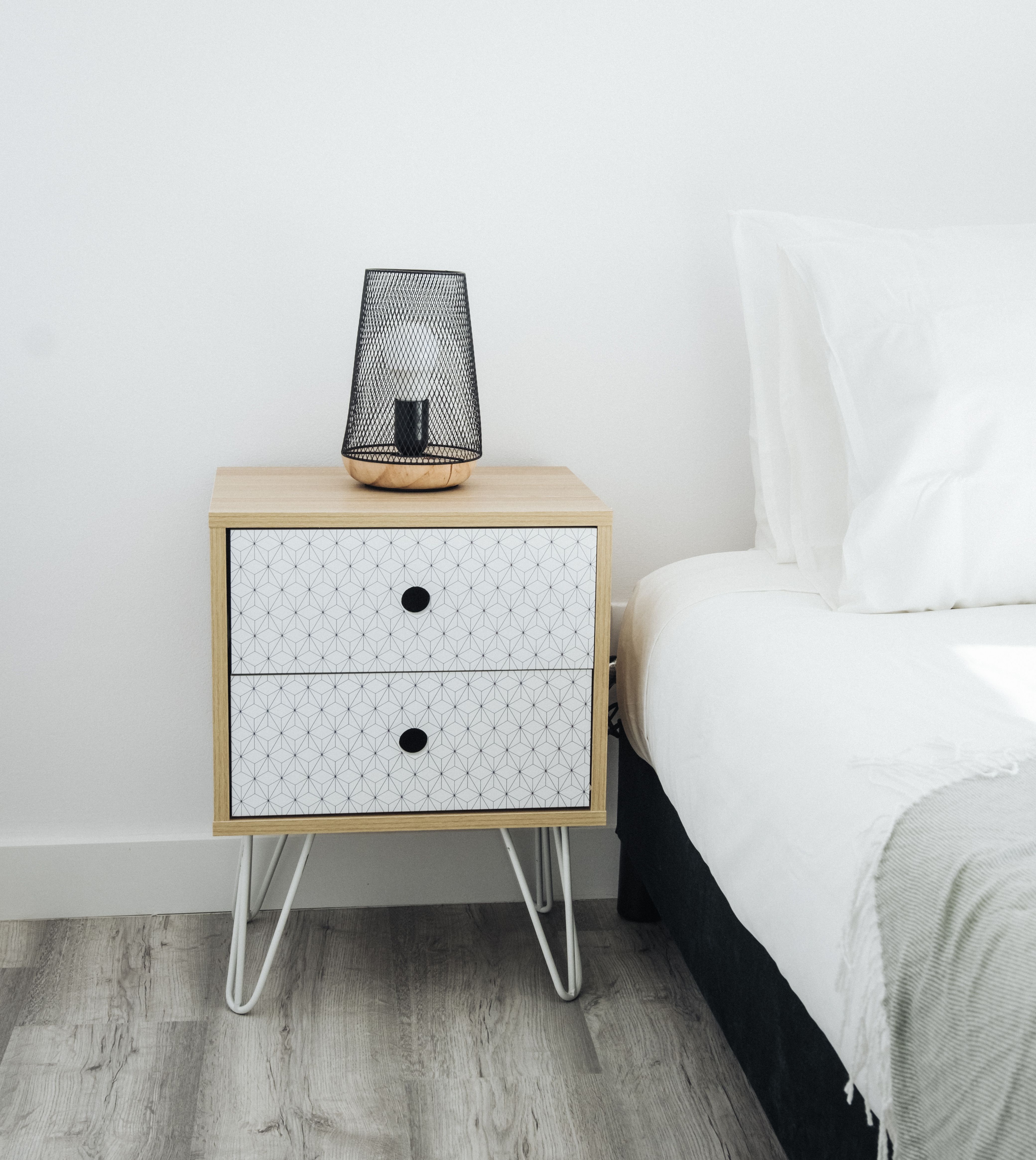
I cleared my nightstand down to three things: a lamp, my book, and a glass of water. Everything else moved into the drawer or onto a small tray inside it. The surface stays clear now because nothing new earns a spot without something else leaving first. I charge my phone across the room, not on the nightstand.
I keep a small basket on the nightstand’s lower shelf for the book I am reading and my glasses. When I finish a book, it leaves the basket the same day and goes back to the shelf. That one habit keeps the nightstand from slowly collecting a library. It takes only ten seconds.
Pro Tip: I keep three items here, since a fourth always invites a fifth.
Cost: $0 | Time: 20 minutes | Difficulty: Easy
2. Bedside Caddy for Books and Glasses

I hung a fabric bedside caddy on the side of my bed frame to hold my book, glasses, and lip balm. It keeps everything within reach without taking up nightstand space, which matters in a small bedroom. The caddy has three pockets, one for each item, so nothing slides to the bottom.
I empty the caddy every Sunday and return anything that does not belong there, like receipts and hair ties that migrate in during the week. The caddy works because it is small: a big one would become a second nightstand drawer. I wash it monthly with the bedding. I chose a washable fabric so spills wipe off easily.
Pro Tip: I hang one caddy on my side only, since two crowd the frame.
Cost: $5-12 | Time: 10 minutes | Difficulty: Easy
3. Drawer Dividers for Dressers

I put adjustable dividers in my dresser drawers so socks, underwear, and workout clothes each have their own section. Before dividers, every drawer became a mixed pile within days, and getting dressed meant digging. Now I open a drawer and see every section at once. I grouped socks by color within each section for faster mornings.
I measured each drawer before buying dividers, since one wrong size wastes the whole purchase. The dividers are spring-loaded, so they fit snugly without screws or glue. I keep one section empty in the top drawer for new items, and sort it monthly. I roll soft items instead of folding them to fit more per section.
Pro Tip: I sort by wear order, since I dress fastest from sections in sequence.
Cost: $8-15 | Time: 30 minutes | Difficulty: Easy
4. Under-Bed Rolling Bins

I slid two low rolling bins under our bed for out-of-season clothes and spare bedding. The bins roll out easily for cleaning, and their lids keep dust off everything inside. Under-bed space was wasted before; now it holds the bulkiest items we own without crowding the closet. I vacuum under the bed monthly so dust never builds up.
I label each bin on the short end facing out, so I can see what is inside without pulling both out. The bins stay out of sight daily. Only seasonal items go in the bins, since daily clothes there would mean kneeling every morning. If your room is small, see my guide on organizing a small bedroom.
Pro Tip: I measure bed clearance first, since tall bins will not slide.
Cost: $10-20 | Time: 20 minutes | Difficulty: Easy
5. Closet Zones by Category
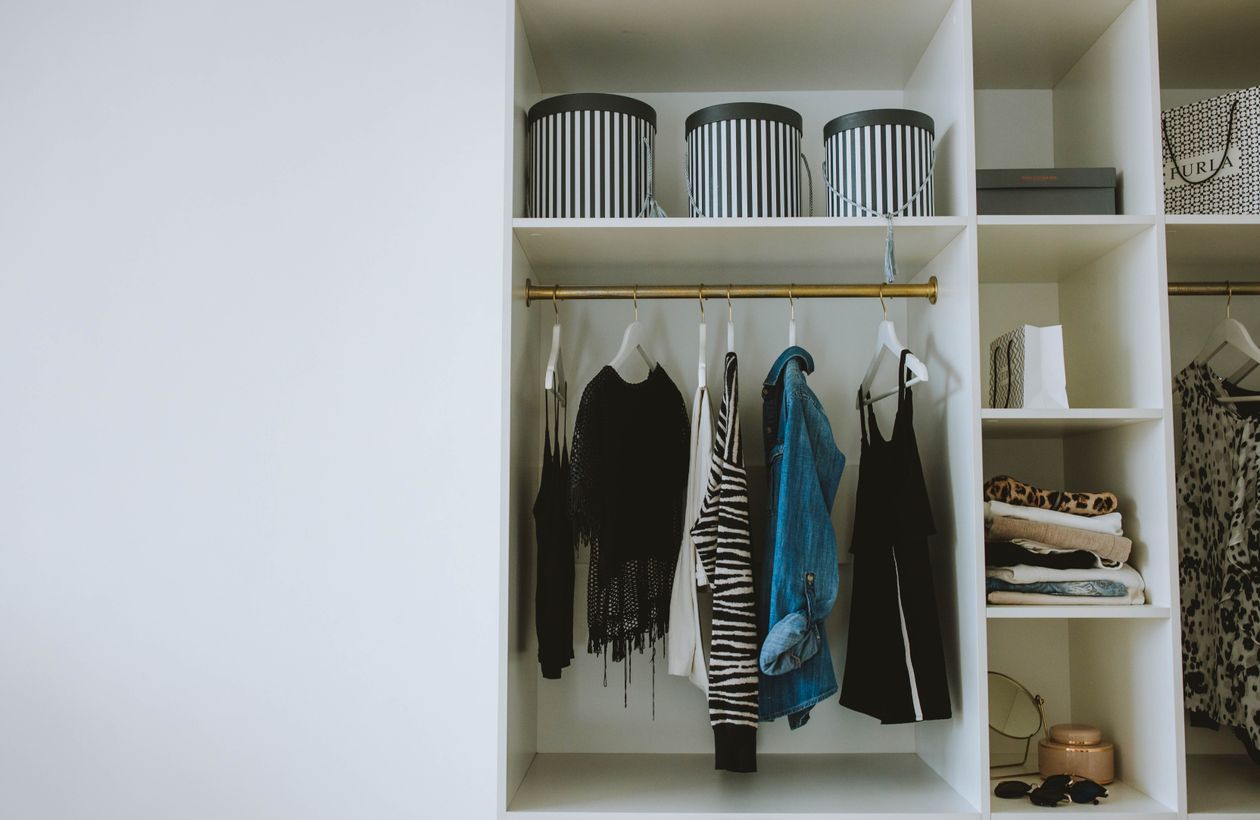
I divided my closet into zones by category: work clothes on the left, casual in the middle, and outerwear on the right. Each zone has its own rod section and shelf space, so I can find an outfit without scanning the whole closet. The zones also show me which category is overflowing.
I moved the zones around twice before they felt right, and that is normal: a closet layout should follow how you actually dress, not how a store displays clothes. I keep a small bin in the closet for clothes to donate, and empty it when it fills. Nothing new enters without a zone. Zones make outfit choices faster.
Pro Tip: I put my most-used zone at eye level, since easy reach gets used.
Cost: $0-5 | Time: 1 hour | Difficulty: Easy
6. Over-the-Door Organizer

I hung an over-the-door hook rail on our bedroom door for robes, bags, and tomorrow’s outfit. It uses space that was completely wasted, and it keeps robes off chairs where they used to pile up. The rail hooks over the door without screws, so it leaves no marks behind. The rail holds robes without wrinkling them overnight.
I keep only five hooks filled, since a rail stuffed with ten items becomes a closet door you cannot open properly. I leave the middle hook free for guests. Tomorrow’s outfit goes on the last hook each evening, which makes mornings faster. For more no-drill options, see my guide on no-drill bedroom organization.
Pro Tip: I hang the rail inside, since outside rails get bumped.
Cost: $5-10 | Time: 10 minutes | Difficulty: Easy
7. Foot-of-Bed Storage Ottoman

I placed a storage ottoman at the foot of our bed for extra blankets and spare pillows. It gives the room a finished look while hiding the bedding we reach for on cold nights. The ottoman doubles as a seat when I put shoes on in the morning. The ottoman matches our bed frame color closely.
I chose an ottoman with a removable lid rather than a hinged one, since a lid I can lift fully makes it easier to fold blankets inside neatly. Only blankets and pillows live in it; anything else would turn it into a second closet. It gets emptied and aired monthly. I air the blankets monthly on sunny days.
Pro Tip: I fold blankets the same way, since matching folds stack neatest.
Cost: $25-50 | Time: 10 minutes | Difficulty: Easy
8. Jewelry Wall on Hooks

I screwed a row of small hooks on the bedroom wall beside my dresser for necklaces and bracelets. Everything hangs visible at once, so I stopped buying duplicates of pieces I already owned. The hooks take up one narrow wall strip that held nothing before. The hooks cost less than a jewelry box and show more.
I hang necklaces by length with the shortest on the left, which keeps chains from tangling across each other. Everyday pieces go on the lowest hooks, and rarely worn ones go higher. If a piece tangles twice, it moves into a small box instead of back onto the wall. I clean the hooks monthly with a dry cloth.
Pro Tip: I keep one hook empty, since full rows invite double-hanging.
Cost: $3-8 | Time: 30 minutes | Difficulty: Easy
9. Vanity Tray for Makeup and Skincare

I set a single tray on my dresser for the makeup and skincare I use daily, and everything else moved into a drawer. The tray has a boundary: if a product does not fit on it, it does not stay out. My morning routine got faster because I stopped hunting through a drawer. It saves five minutes daily.
I wipe the tray weekly when I clean the dresser, since makeup dust builds up fast on an open surface. The tray holds brushes upright in a small cup, which keeps bristles clean and visible. Seasonal or rarely used products stay in the drawer, not on the tray. The tray matches the dresser finish nicely.
Pro Tip: I keep daily products only here, since a full tray is just a drawer.
Cost: $0-10 | Time: 15 minutes | Difficulty: Easy
10. Desk Corner That Stays Clear

I claimed one corner of the bedroom for a small desk and set a rule: only the laptop, a notebook, and a pen live on it. Papers go into a single tray beside the desk at the end of each work session, never left spread out. The corner stays usable because nothing is allowed to accumulate there.
I work at the desk only during set hours, and I clear it before bed so the bedroom feels like a bedroom again at night. The tray gets sorted every Friday, and anything unfiled after a week gets dealt with or recycled. A bedroom desk works only with a daily reset. The corner earns its space.
Pro Tip: I clear the desk nightly, since waking to mess ruins mornings.
Cost: $0 | Time: 20 minutes | Difficulty: Easy
11. Laundry-to-Closet Flow

I set up a simple laundry flow: a hamper by the closet, a folding spot on the bed, and immediate put-away after folding. Clean laundry used to sit in a basket for days and wrinkle; now it goes straight from the dryer to hangers or drawers. The flow works because each step has a fixed place.
I fold laundry the same day it comes out of the dryer, since a basket left overnight becomes a chair pile by morning. Each family member has one hamper, and I wash one load at a time instead of letting five loads pile up. The bedroom stays calm when laundry never parks in it.
Pro Tip: I fold on the bed, since flat surfaces fold fastest.
Cost: $0-15 | Time: 30 minutes setup | Difficulty: Easy
12. Kids’ Bedroom Toy Zones

I divided my kids’ bedroom into toy zones: building toys on one shelf, books on another, and art supplies in a single bin. Each zone has a picture label, so even young kids can put things back without reading. The zones ended the nightly toy explosion across the whole floor. Zones end arguments about whose toys are whose.
I rotate toys monthly, keeping half in the zones and half in a closet bin, which keeps play fresh without buying anything new. When a zone overflows, something leaves before anything new enters. The kids help with the reset each Sunday, and it takes about ten minutes. The reset song makes cleanup fun.
Pro Tip: I use picture labels, since young kids match pictures to zones.
Cost: $0-10 | Time: 1 hour | Difficulty: Easy
13. Reading Nook Basket

I placed a basket beside my bedroom reading chair for the book I am reading, my glasses, and a bookmark. The basket keeps reading supplies in one spot instead of scattered across the nightstand, dresser, and bed. It also signals that the chair is for reading, not for piling clothes. The chair faces the window for light.
I keep only one book in the basket at a time, since a basket of five books becomes a shelf I never finish. When I finish a book, it goes back to the bookcase the same day and the next one takes its place. The basket gets emptied monthly to catch stray items. It stays tidy all week.
Pro Tip: I keep one book here, since five unfinished books feel like clutter.
Cost: $0-8 | Time: 10 minutes | Difficulty: Easy
14. Charging Station Away From the Bed

I moved all chargers to a small station on the dresser across the room, away from the bed. Phones charge there overnight, and the bed area stays free of cables and glowing screens. I sleep better without a phone within reach, and mornings start without scrolling. Mornings start calmer without a screen in reach.
The station has one labeled spot per device, so cables never tangle into a knot behind the dresser. I keep only daily devices there; spare chargers live in a drawer. The rule is simple: if a device is charging, it lives at the station, not in bed. The dresser top now stays clear except for chargers.
Pro Tip: I label each cable, since identical chargers cause daily arguments.
Cost: $0-5 | Time: 15 minutes | Difficulty: Easy
15. Seasonal Clothing Rotation

I rotate clothes by season: current-season clothes stay in the closet, and off-season ones go into labeled bins on the top shelf. The closet holds half as much at any time, which makes getting dressed faster and shows me what I actually wear. Rotation happens twice a year, in spring and fall. Rotation reveals clothes I forgot I owned.
I try on anything I am unsure about during rotation, and donate what no longer fits or flatters instead of storing it for another year. Each bin is labeled by season and category, so finding a winter coat in July takes seconds. The closet breathes again after every rotation. I label bins by season clearly.
Pro Tip: I rotate on fixed weekends, since vague plans never happen.
Cost: $0-10 | Time: 2 hours | Difficulty: Easy
16. Shoe Storage That Fits the Bedroom

I moved everyday shoes into clear stackable boxes on the closet floor, with one pair per box. The clear boxes show exactly what is inside, so I stopped opening five boxes to find one pair. Shoes that used to line the bedroom wall now live in one neat stack. Clear boxes save morning time daily.
I keep only the shoes I wear weekly in the bedroom closet; the rest live in a hall closet or storage bin. Each box is labeled by shoe type on the short end, since labels on top disappear when boxes stack. The stack stays stable because all boxes are the same size. The stack never topples now.
Pro Tip: I keep one pair per box, since two pairs always mix.
Cost: $10-20 | Time: 30 minutes | Difficulty: Easy
17. Bookshelf That Doubles as Storage

I turned a bookshelf into bedroom storage by mixing books with small baskets for chargers, journals, and accessories. The baskets hide the small clutter while the books keep the shelf looking like a bookshelf, not a storage unit. It holds both display items and daily supplies in one piece of furniture. The shelf anchors to the wall safely.
I keep baskets on the lower shelves and books up high, since heavy baskets low keep the shelf stable and books at eye level look better. One shelf stays half empty for new books, which stops the shelf from overflowing. The bookshelf replaced a dresser we no longer needed. It holds books and supplies together.
Pro Tip: I put baskets low, since heavy baskets up top tip shelves.
Cost: $0-15 | Time: 45 minutes | Difficulty: Easy
18. Evening 10-Minute Reset Routine

I end each day with a ten-minute bedroom reset: clothes go in the hamper or closet, surfaces get cleared, and tomorrow’s outfit goes on the door hook. The routine is short enough that I actually do it, even on tired nights. Mornings feel calmer when the bedroom starts clean. The bedroom feels calmer every single morning.
I set a timer for ten minutes, since a routine without a limit stretches into a full cleaning session I will skip. The reset covers surfaces and floors only, not deep cleaning or organizing projects. Small daily resets beat big weekend overhauls in our house every time. Ten minutes now beats weekend overhauls always.
Pro Tip: I set a timer, since open-ended resets become skipped chores.
Cost: $0 | Time: 10 minutes daily | Difficulty: Easy
19. Capsule Corner for Work Clothes

I set aside one closet corner as a capsule for work clothes: five outfits that mix and match, nothing more. The capsule ends morning decision fatigue, since I pick from five proven outfits instead of scanning a full closet. Everything else in the closet is casual or seasonal. Five outfits cover a full work week easily.
I rebuild the capsule each season, keeping only pieces I actually wore to work in the last month. Anything unworn goes to the casual section or the donation bin. I iron the capsule outfits on Sunday evenings. Mornings run smoother ever since. For shirt storage ideas, see my guide on shirt organization ideas.
Pro Tip: I rebuild each season, since favorites rarely stay favorites.
Cost: $0 | Time: 45 minutes | Difficulty: Easy
20. Linen and Blanket Storage

I store sheet sets inside their own pillowcases, so a full set stays together on the linen shelf instead of scattering across it. Blankets go in labeled bins by weight: light ones up top, heavy ones below. Finding a matching set now takes seconds, not a shelf excavation. Matching sets save laundry folding time.
I keep only two sets per bed in the bedroom closet, since extra sets belong in a linen closet or storage bin. Each bin is labeled by bed and season, which stops the wrong-size sheets from migrating between rooms. The shelf stays neat because every set has one exact home. The shelf looks neat every day.
Pro Tip: I store sets in pillowcases, since loose sheets lose partners.
Cost: $0-8 | Time: 30 minutes | Difficulty: Easy
Comparison Table
| Idea | Best for | Cost | Effort |
|---|---|---|---|
| Clear Nightstand | Cluttered bedside | $0 | Easy |
| Bedside Caddy | Small bedrooms | $5-12 | Easy |
| Drawer Dividers | Mixed dresser drawers | $8-15 | Easy |
| Under-Bed Rolling Bins | Seasonal clothes | $10-20 | Easy |
| Closet Zones | Hard-to-find outfits | $0-5 | Easy |
| Over-the-Door Organizer | Robes and bags | $5-10 | Easy |
| Storage Ottoman | Spare blankets | $25-50 | Easy |
| Evening Reset Routine | Daily upkeep | $0 | Easy |
Mistakes I Made
My biggest mistake was organizing the whole bedroom in one weekend, which left me exhausted and half the systems undone. Zone by zone works better.
I bought matching bins before measuring, and half did not fit their drawers or shelves. I measure every space first now.
I organized for how the bedroom looked, not how I lived in it, and built a closet I never used. Systems must follow habits, not photos.
I skipped labels because bins looked cleaner unlabeled, then spent months opening every bin for one sweater. Labels are the system.
I kept too many clothes out of guilt, which crowded every zone I had just organized. Letting go freed more space than any bin.
Frequently Asked Questions
Which bedroom organization ideas work best in a small room?
The bedside caddy, under-bed bins, over-the-door organizer, and clear nightstand work best in small rooms, since they use wasted space, not floor space. Start with one zone.
How do I keep the bedroom organized with kids?
Give every toy a labeled zone, rotate toys monthly, and do a ten-minute reset together nightly. Kids keep systems they helped build.
What if my partner does not follow the system?
Build around shared habits, not rules: one hamper each, one hook each, and a shared reset. Systems needing nagging fail, so simplify until none are needed.
How long does the evening reset actually take?
Ten minutes most nights, once the zones exist. The first week takes longer, but after that it becomes automatic, like brushing teeth.
Final Thoughts
These bedroom organization ideas work because they start from one zone at a time, not a whole-room overhaul. Pick the zone that bothers you most each morning and fix that one.
The best bedroom is not the tidiest, but the one that stays calm with least effort. Start small, label everything, and let the reset do the heavy lifting.



One Comment