20 Whiteboard Organization Ideas That Run My Whole Household
This is for a family that keeps losing track of schedules, meals, and chores. A board costs $15–$150, sets up in an afternoon, and only works if someone resets it every Sunday.
Divide the board into fixed zones with washi tape before you write anything: schedule, meals, grocery, and reminders, with a monthly overview beside the weekly schedule and a countdown section for the next event. Give each family member one marker colour, so the week’s schedule — one column per person — reads at a glance. The chore chart runs names down the left and days across the top, and the assignments rotate one column to the right every Sunday, so the same person never gets the same chore forever. A large board (A1, 594 × 841 mm, or a 36×48 board at $60–$150) fits a family week; a small magnetic board ($15–$30) fits one person’s desk. None of it works without the habit: wipe the board, redraw the week, shift the chore rotation, and update the countdown every Sunday — a board nobody resets becomes a blank wall again.
The most useful organizer in my house costs less than a pizza and erases with a cloth: my whiteboard. I bought my first one to stop forgetting appointments, and it quietly grew into the family calendar, the meal plan, the chore chart and the bill tracker, all on one wall.
These whiteboard organization ideas are the layouts I have actually lived with — some for years, some for a single chaotic school term — and each one includes the honest setup time and the trick that kept it from becoming just another blank board on the wall.

The 20 ideas run a household from one erasable wall: calendar and to-do boards by the door, meal plans and inventories for kitchen and pantry, and chore charts and bill trackers for the family. Each idea notes its honest cost, time and difficulty, so start with the board that stops the most forgotten appointments and hang that one first.
Key Takeaways
- One board, one job: boards that try to do everything end up doing nothing.
- Put the board where the action happens — kitchen for meals, hallway for family schedules.
- Permanent lines (tape or paint marker) plus dry-erase writing is the layout that lasts.
- Color-coding by person or category is what turns scribbles into a system.
- Erase and reset on a fixed day, or the board becomes wallpaper within a month.
20 Whiteboard Organization Ideas I Actually Use
1. A Monthly Family Calendar Grid
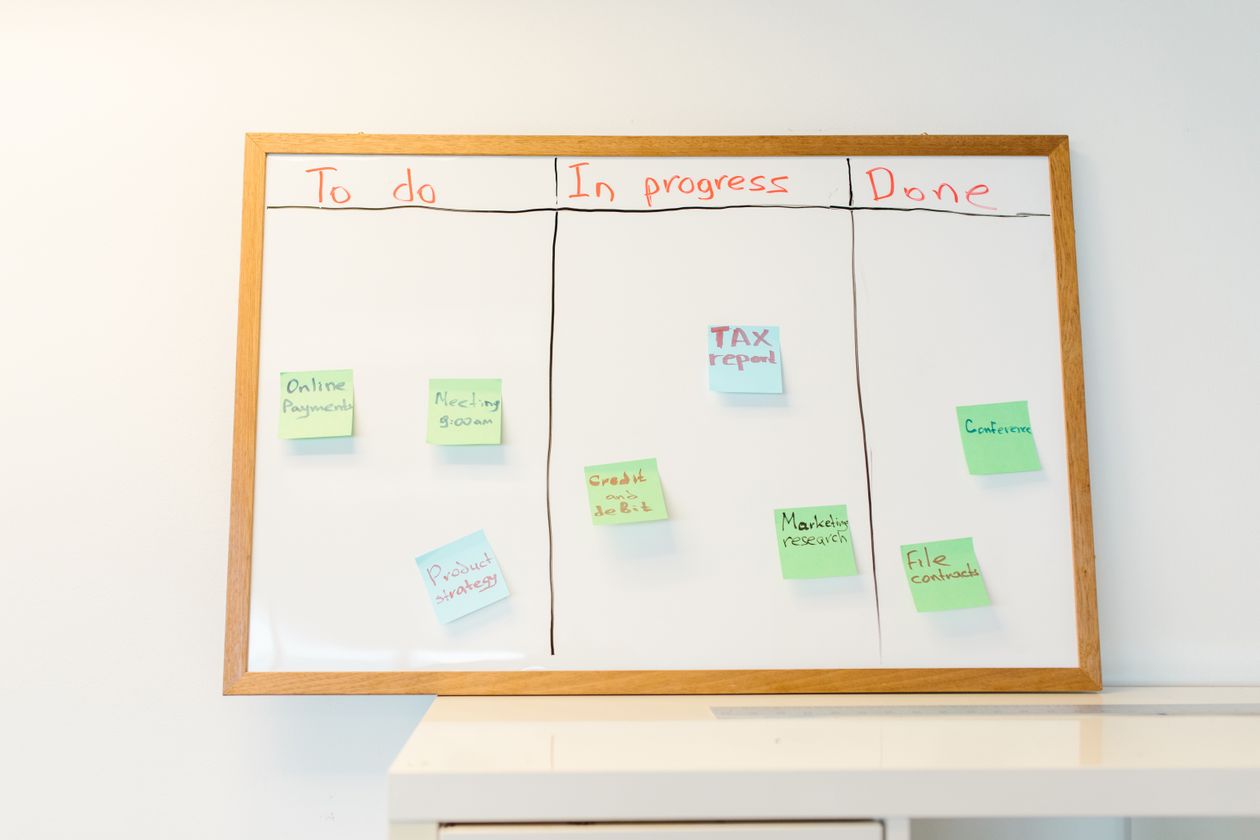
The board that runs my house is a monthly calendar grid drawn with thin washi tape, with one marker color per family member. Every Sunday evening we spend five minutes filling in the week: appointments, practices, deadlines and visitors, all visible from the kitchen table.
The rule is that if it is not on the board, it does not exist, which ended the era of surprise school events. I photograph the board on the first of each month before erasing it, so we keep a record without keeping the clutter.
Pro Tip: I keep the monthly board photos in one album on my phone, so past schedules stay searchable long after the board is wiped.
Cost: $15-$30 for board and markers / Time: 30 minutes to set up / Difficulty: Easy
WriteyBoard’s family whiteboard guide runs the same system — a chore chart, a weekly schedule, a meal board and a sign-out board on one wall.
2. A Daily To-Do List Board by the Door

My hallway board holds only today’s three priorities, written each morning while the coffee brews. Three items is the magic number: more than that and the board becomes a guilt list I ignore, fewer and I forget the errands.
I wipe it every night, which gives me a small sense of closure, and anything unfinished gets rewritten for tomorrow instead of lingering. It is the simplest board I own and the one I would replace first if it broke.
Pro Tip: I write the hardest task at the top of the three, so it gets my fresh morning energy instead of my leftover evening energy.
Cost: $10-$20 / Time: 5 minutes daily / Difficulty: Easy
3. A Chore Chart With Magnets for the Kids

Chores stopped being an argument when they became magnets on a board. Each child has a row, each chore is a magnet, and moving a magnet to “done” is weirdly satisfying for kids and adults alike. We rotate the harder chores weekly so nobody feels stuck with the bathroom forever, and Friday’s board check decides the weekend treat.
The trick is keeping the chart small: seven chores total, not a list that reads like a job description.
Pro Tip: I let each child move their own magnet to “done,” because the satisfaction belongs to them and that’s what keeps them doing it.
Cost: $12-$25 / Time: 30 minutes to set up / Difficulty: Easy
4. A Pantry Inventory on the Pantry Door

I mounted a small whiteboard inside the pantry door with two columns: “running low” and “buy this week.” When anyone finishes the last of something, they write it down instead of telling me, and the shopping list practically writes itself. This ended the duplicate buying that used to fill my pantry with three jars of the same spice.
For a full pantry system to pair with it, my kitchen organization ideas cover the shelves and bins behind the door.
Pro Tip: I write an item down the moment the last one is used, not when I later notice the empty shelf and can’t remember what was there.
Cost: $8-$18 / Time: 20 minutes / Difficulty: Easy
5. A Weekly Meal Plan Board in the Kitchen

Dinner stopped being a 5 p.m. crisis when I put a weekly meal grid on the kitchen wall: seven days, one meal each, written every Sunday from what is already in the freezer and pantry. The board also has a small “thaw tonight” corner, which means tomorrow’s protein is out before I forget.
Family members can request a meal by writing it in the “wishes” row, and the week’s grocery list comes straight off the grid. It saves money, time and the daily “what’s for dinner” debate.
Pro Tip: I build the week’s meals around what is already in the freezer first, then fill the gaps from the pantry list, so the grid plans itself faster.
Cost: $10-$20 / Time: 20 minutes weekly / Difficulty: Easy
6. A Brain Dump Board for Busy Minds

Some weeks my head holds too many half-formed tasks, so I keep a blank board purely for brain dumps: everything gets written down, no order, no judgment. Once the board is full, I sort items into do, delegate, defer or delete, and the board gets wiped clean.
The physical act of moving thoughts out of my head and onto a wall is what makes this work — a notes app never gave me the same relief. I do this every Sunday night, and Monday starts noticeably calmer.
Pro Tip: I sort the dump into its four piles the same night I write it, so the board is empty again before Monday starts.
Cost: $10-$20 / Time: 15 minutes weekly / Difficulty: Easy
Anything that does not fit the board’s five zones goes on paper, not the board — this organize paper clutter guide keeps that paper from piling up.
7. A Bill Tracker With Due Dates

Late fees ended in my house the month I put a bill tracker on the office board: each bill gets a row with its due date, amount and a checkbox for paid. I update it when a bill arrives and check it every Friday, and the visual of an unchecked row is more motivating than any phone reminder.
I never write account numbers on the board — just the bill name and date — because a board on the wall is visible to visitors. Simple, visible, and it paid for itself in the first month.
Pro Tip: I scan the unchecked rows every Friday before the weekend, so no due date can quietly slip past while I’m off.
Cost: $10-$20 / Time: 30 minutes to set up / Difficulty: Easy
A board is a planning surface, not a filing system — the paper behind it lives in this home file organization system.
8. A Kids’ Command Center Combining Board and Cork

My kids’ command center is half whiteboard, half corkboard: the whiteboard holds this week’s schedule and homework deadlines, the cork holds permission slips and artwork worth displaying. Each child has a color, and the center lives in the hallway where backpacks get packed, not in a bedroom where nobody looks.
The combination matters because paper and plans need different homes, and one board trying to hold both always ends up a mess.
Pro Tip: I pin only this week’s slips on the cork side and file last week’s away each Sunday, so the display never grows into a paper wall.
Cost: $20-$40 / Time: 1 hour / Difficulty: Easy
The same zoned board works in a classroom — these classroom organization ideas show the teaching-board version of the same system.
9. A Study Board for Exams and School Projects

During exam season, my daughter’s study board holds the countdown to each test, the topics to revise and a small reward for each finished block. Breaking a huge subject into board-sized chunks made studying feel doable instead of endless, and crossing off a finished topic gave her momentum.
We wipe the board after each exam, which feels like a small celebration in itself. If you have a student at home, a study board is the cheapest tutor you will ever buy.
Pro Tip: I write one board-sized chunk of a subject per study session, so progress feels visible instead of endless.
Cost: $10-$25 / Time: 20 minutes to set up / Difficulty: Easy
Family schedules spike in August, when the board has to hold the whole school year — this back to school organization guide covers the routines the board plans around.
For a learning board at home, these homeschool organization ideas cover the school day the family board plans around.
10. A Freezer Inventory on the Freezer Door
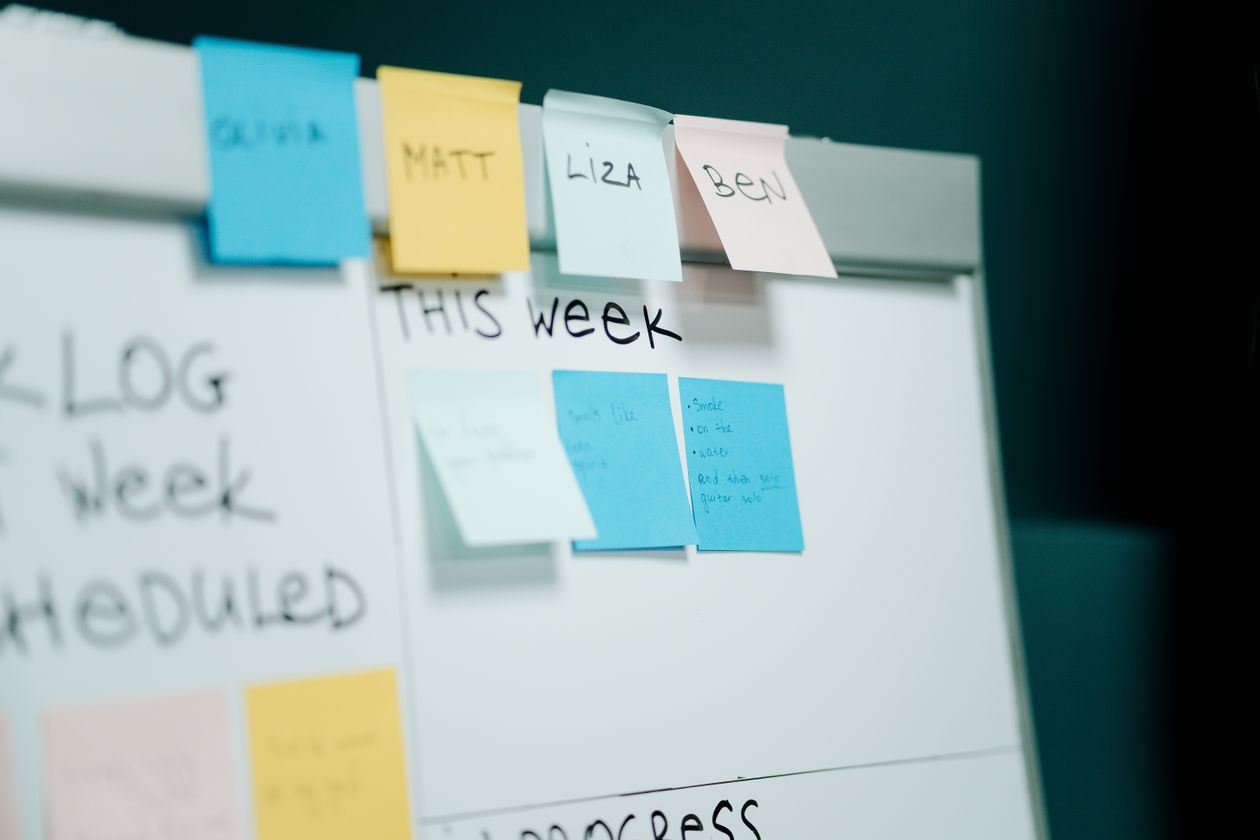
A magnetic whiteboard on the freezer door lists what is inside, grouped by meat, meals, vegetables and baking. When something goes in or comes out, the list changes, and I no longer buy a third bag of frozen peas because I forgot the first two.
The board also has a “use first” box for things approaching their best, which cut our food waste noticeably. A freezer you cannot see into is a freezer that wastes money; a board on the door fixes that.
Pro Tip: I cross an item off the moment it comes out of the freezer, not when I remember it later at the store.
Cost: $8-$15 / Time: 30 minutes to inventory / Difficulty: Easy
11. A Grocery List Board by the Front Door

The grocery board lives by the front door, not in the kitchen, because that is where I am when I realize I need something. Anyone in the house can add an item, and before a shopping trip I photograph the board instead of copying it onto paper.
Items get wiped as they are bought, and the board is empty by the time I get home, which is a small but real satisfaction. The rule is one line per item and no essays — a board is a list, not a letter.
Pro Tip: I photograph the board before leaving for the shop, so I shop from the photo instead of trusting my memory in the aisle.
Cost: $8-$15 / Time: 10 minutes to set up / Difficulty: Easy
12. A Magnetic Notes Board for Reminders

Some reminders are too small for the calendar but too important to trust to memory, so they live as magnets on a metal board: return the library books, call the plumber, bring the cake dish back. I keep this board small and in the hallway, and I clear it every Friday so stale reminders do not pile up.
The magnet system works because moving a magnet feels like progress, and progress is what keeps a reminder board from becoming wallpaper.
Pro Tip: I clear the magnet board every Friday, so only live reminders survive into the next week.
Cost: $10-$20 / Time: 15 minutes / Difficulty: Easy
13. A Wooden Board Wall for Notes and Photos

Not every board needs to be white: my wooden memo board holds photos, invitations and the kids’ drawings alongside a few pinned reminders, and it makes the hallway feel warm rather than office-like. I use small clips instead of pins for paper I handle often, and I rotate the display monthly so it never goes stale.
This board is the emotional counterpart to the functional whiteboards — it organizes memories, not tasks, and a home needs both.
Pro Tip: I swap one photo each month, so the display stays fresh without needing a full redo.
Cost: $12-$30 / Time: 30 minutes / Difficulty: Easy
14. A Desk Board for Work Supplies and Plans

Above my desk, a small board holds this week’s work priorities, a few reference notes and the deadlines that matter, all at eye level while I work. I keep it to five items maximum, because a board crowded with twenty tasks is just a poster of guilt.
Each morning I spend two minutes updating it, and the day’s work starts with a glance instead of a hunt through notebooks. If your work happens at a desk, this board is worth more than any productivity app I have tried.
Pro Tip: I move anything beyond the five-item cap onto a notebook list, so the board stays a glanceable plan rather than a wall of guilt.
Cost: $10-$20 / Time: 15 minutes / Difficulty: Easy
A small board fits one person’s desk — these desk organization ideas show the desk-side setup it sits in.
15. A Clean Desk Board Zone for Weekly Planning

Friday afternoon is my planning ritual: I clear the desk, wipe the small board beside it, and write next week’s three goals, two appointments and one thing to look forward to. The ritual takes ten minutes and means Monday starts with a plan instead of a scramble.
I keep this board separate from the family calendar because work goals and family schedules deserve different spaces, and mixing them is how both get ignored. A tidy desk and a tidy board go together.
Pro Tip: I write one thing to look forward to next to the week’s goals, so Monday feels inviting rather than heavy.
Cost: $0-$15 / Time: 10 minutes weekly / Difficulty: Easy
16. A Weekly Planner Page on the Desk Board

For weeks when the wall board feels too public, I use a small desk board as a personal weekly planner: days across the top, tasks down the side, and a “done” column I fill with satisfaction.
It is the same layout as the family calendar but private, and it holds the work tasks and personal goals I do not need the whole household to see. The desk board gets wiped every Sunday, and the fresh week starts with a clean surface and a clear head.
Pro Tip: I wipe the desk board on Sunday night, so the fresh week starts with a clean surface and a clear head.
Cost: $8-$18 / Time: 10 minutes weekly / Difficulty: Easy
17. A Minimalist Desk Board for Daily Focus

My focus board holds exactly one thing: today’s single most important task, written big. Everything else lives elsewhere, and the board’s job is to pull my eyes back when distractions creep in. I started this during a month of scattered work, and it was the only productivity trick that actually changed my output.
One task, one board, one day — the minimalism is the point, and it works because there is nothing else competing for attention.
Pro Tip: I write the single task big enough to read from my chair, so it pulls my eyes back whenever distractions creep in.
Cost: $8-$15 / Time: 2 minutes daily / Difficulty: Easy
18. A Workspace Board for Project Tracking

Long projects die in notebooks, so my project board tracks them in columns: to do, doing, done. Each project gets a card, and moving a card across the board is the most honest progress report I have. I review the board every Friday, and any card stuck in “doing” for two weeks gets broken into smaller steps or dropped.
This board taught me that most stalled projects are not hard, just too big, and the board makes bigness visible.
Pro Tip: I break any card stuck in “doing” into smaller steps at the Friday review, because a stalled card usually means the step is too big, not too hard.
Cost: $10-$20 / Time: 20 minutes to set up / Difficulty: Easy
19. A Warm Desk Corner Board for Habits

Habits stick better when they are visible, so my corner board tracks the small ones: water, reading, a walk, and ten minutes of tidying. Each day gets a tick, and the chain of ticks is its own motivation — breaking the chain feels worse than doing the habit.
I keep the board small and pretty, with a plant beside it, because a habit tracker that looks like a punishment gets ignored. After three months, the board held four habits I no longer need to track, which is the best outcome of all.
Pro Tip: I tick my habits at the same time each evening, so the chain never depends on me remembering at a random moment.
Cost: $8-$18 / Time: 5 minutes daily / Difficulty: Easy
20. A Cozy Desk Board for Notes and Inspiration

The last board is the least organized and the most loved: a small board holding quotes, a photo, a postcard and whatever note made me smile this week. It has no system and no schedule, and that is deliberate — every other board in my house works hard, and this one just makes the desk a nicer place to sit.
Organization is not only about efficiency; it is about making rooms you want to spend time in. If your boards all feel like chores, add one that feels like a reward.
Pro Tip: I swap one item on the inspiration board each week, so it keeps surprising me instead of fading into background decor.
Cost: $8-$20 / Time: 10 minutes / Difficulty: Easy
Whiteboard Comparison Table
| Board | Best Spot | Cost | Reset Rhythm |
|---|---|---|---|
| Family calendar | Kitchen | $15-$30 | Monthly |
| Meal plan | Kitchen | $10-$20 | Weekly |
| Chore chart | Hallway | $12-$25 | Weekly |
| Bill tracker | Office | $10-$20 | Friday check |
| To-do board | Front door | $10-$20 | Daily |
| Focus board | Desk | $8-$15 | Daily |
Mistakes I Made
My first whiteboard failed because I tried to run the whole household on one board, and within a week it was a crowded mess nobody read. One board, one job is the rule I live by now.
My second mistake was using cheap markers that stained, which left ghost lines that made every new layout confusing; good markers and a proper eraser cost a little more and save the board. My third mistake was hanging the family calendar in my office, where nobody but me ever saw it.
Boards belong where the life happens, not where the organizer works.
Frequently Asked Questions
What size whiteboard should I buy first?
A medium board around 24 by 18 inches is the sweet spot for a family calendar or meal plan: big enough to read from across the kitchen, small enough to hang anywhere. Start with one, and add smaller boards only for jobs the first one cannot hold.
How do I keep a whiteboard from staining?
Use quality dry-erase markers, erase at least weekly, and clean monthly with a whiteboard cleaner or a cloth dampened with rubbing alcohol. Never use permanent marker on the board itself — use tape or paint markers for permanent grid lines.
Herman Miller’s markerboard care guide says to clean the surface with EXPO liquid cleaner and a soft cloth before first use and let it dry 2 hours — and to erase only after the ink is dry.
Can whiteboard organization ideas work for renters?
Yes. Small magnetic boards stick to a fridge with no holes, leaning boards rest against furniture, and adhesive strips hold lightweight boards on smooth walls. My first three boards were all renter-friendly.
How do I get my family to actually check the board?
Put it where they already walk — kitchen or hallway — and make updating it a two-minute Sunday ritual, not a lecture. When the board holds things they care about, like meals and treats, they check it on their own.
Should I use a whiteboard or a paper planner?
I use both: the whiteboard for shared, visible plans the whole family needs, and paper for private details. If only you need to see it, paper is fine; if the household needs it, it belongs on the wall.
Final Thoughts
Whiteboard organization ideas work because they make plans visible, and visible plans get followed. Start with the family calendar in the kitchen, add a meal plan beside it, and let the system grow one board at a time.
If your desk needs the same treatment, my home office ideas will help you set up the corner where the work boards live, and my small-item tips keep the markers, magnets and erasers from becoming clutter of their own. One board, one job, one weekly reset — that is the whole secret.