
20 Small Space Organization Ideas That Actually Work
Small space organization is not about owning less for the sake of it. It is about making a small home work harder, so every corner earns its keep and nothing you need is buried. I have lived in small rooms for years, and these are the systems that actually held up.
The 20 ideas cover walls, doors, furniture, drawers, and daily habits, from vertical shelves and rolling carts to one-in-one-out rules and ten-minute resets. Pick the idea that fixes your biggest annoyance first, and check the comparison table to find the cheapest wins.
Key Takeaways
- Walls hold more than floors ever will, so go up before you spread out.
- Every item needs one visible home, or it becomes clutter again.
- Furniture that stores beats furniture that only looks good.
- Small habits, like a ten-minute reset, protect every system you build.
- Measure your space before buying any organizer, no matter how cheap.
1. Go Vertical with Wall Shelves

My smallest room felt cramped until I stopped thinking about floor space and started thinking about wall space. Floating shelves above my desk now hold books and plants that used to eat half the desk, and the room feels bigger because the floor is clear.
The downside is that high shelves become display shelves for things you never touch, which wastes the whole point. I keep daily things at arm height and pretty things up high, and I never put anything heavy above head height. If you need a chair to reach it, it is decoration, not storage.
Pro Tip: Put a lip or rail on open shelves, because books slide off when you pull one out.
Cost: $15–$40 | Time: 1 hour | Difficulty: Moderate
2. One In, One Out Rule

My small home stays tidy because of one rule: nothing new comes in unless something old goes out. When I buy a new sweater, an old one goes to the donation bag, and a new mug means an old one leaves. The rule sounds strict, but it stopped the slow creep that filled every shelf.
The honest downside is that the rule fails when you are tired or sentimental, and one exception becomes ten. I keep a donation bag in the closet, so letting go takes seconds, not a big decision. If the bag is full, it goes out that week.
Pro Tip: Apply the rule at the door, because a new thing never put away starts clutter.
Cost: $0 | Time: 5 minutes a day | Difficulty: Easy
3. Zone the Room by Activity
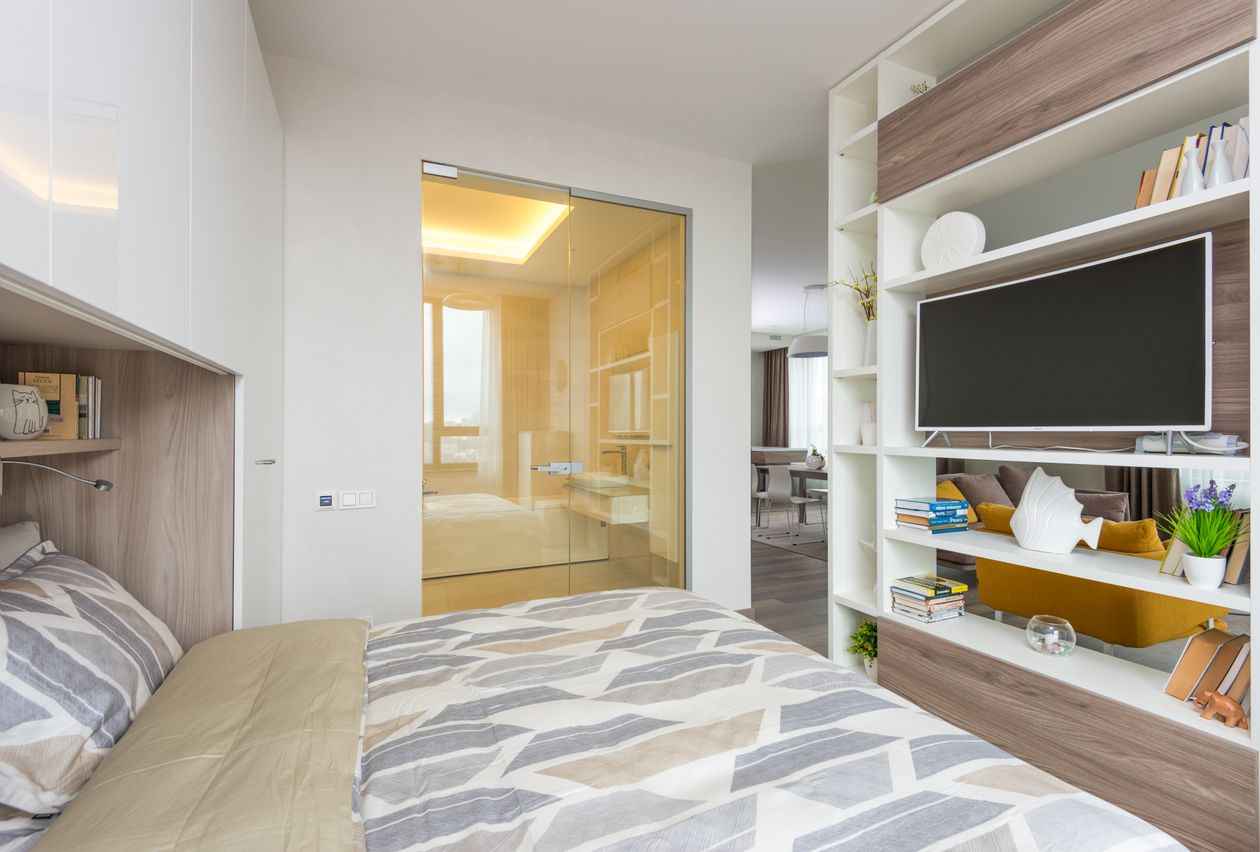
My studio corner used to be one blurry space where work, rest, and storage all mixed together. An open bookshelf now divides it into a work side and a rest side, and my brain knows which part of the room it is in. Zones work without walls, because a shelf edge is a boundary.
The catch is that a divider shelf eats floor space, so a bulky bookcase can make a small room feel smaller. I use an open shelf with no back, so light passes through and the room feels connected. Measure the divider first, and keep it below eye level.
Pro Tip: Face the shelf’s tidy side toward the bed, because you will look at that side daily.
Cost: $30–$80 | Time: 1 hour | Difficulty: Moderate
4. Furniture That Stores

My ottoman holds all my throw blankets, and nobody who sits on it would ever guess. Storage furniture changed my small living room because every seat now does two jobs, holding things and holding people. I replaced a plain coffee table with one that has a shelf underneath, and the clutter vanished.
The downside is that storage furniture tempts you to keep things you should let go, because now there is room for them. I empty my ottoman every season and donate what I did not touch, which keeps it honest. Hidden does not mean forgotten, or it becomes a junk drawer.
Pro Tip: Sit on it before buying it, because an uncomfortable storage ottoman is just an expensive box.
Cost: $40–$120 | Time: 30 minutes | Difficulty: Easy
5. Door Backs

The back of my entryway door was blank wall space doing nothing. An over-door organizer with pockets now holds scarves, bags, and sunglasses, and my entryway finally has room for shoes by the door. It is the cheapest extra storage in my home, and it needed no tools.
The catch is that a full pocket organizer can stop the door from closing, and heavy bags stretch the pockets over time. I keep light things in the door pockets and heavy bags on hooks, and I check the door still latches monthly. If the door will not close, the storage is not worth it.
Pro Tip: Label the top row, because pockets you cannot see into turn into junk drawers.
Cost: $8–$20 | Time: 10 minutes | Difficulty: Easy
6. Under-Furniture Boxes
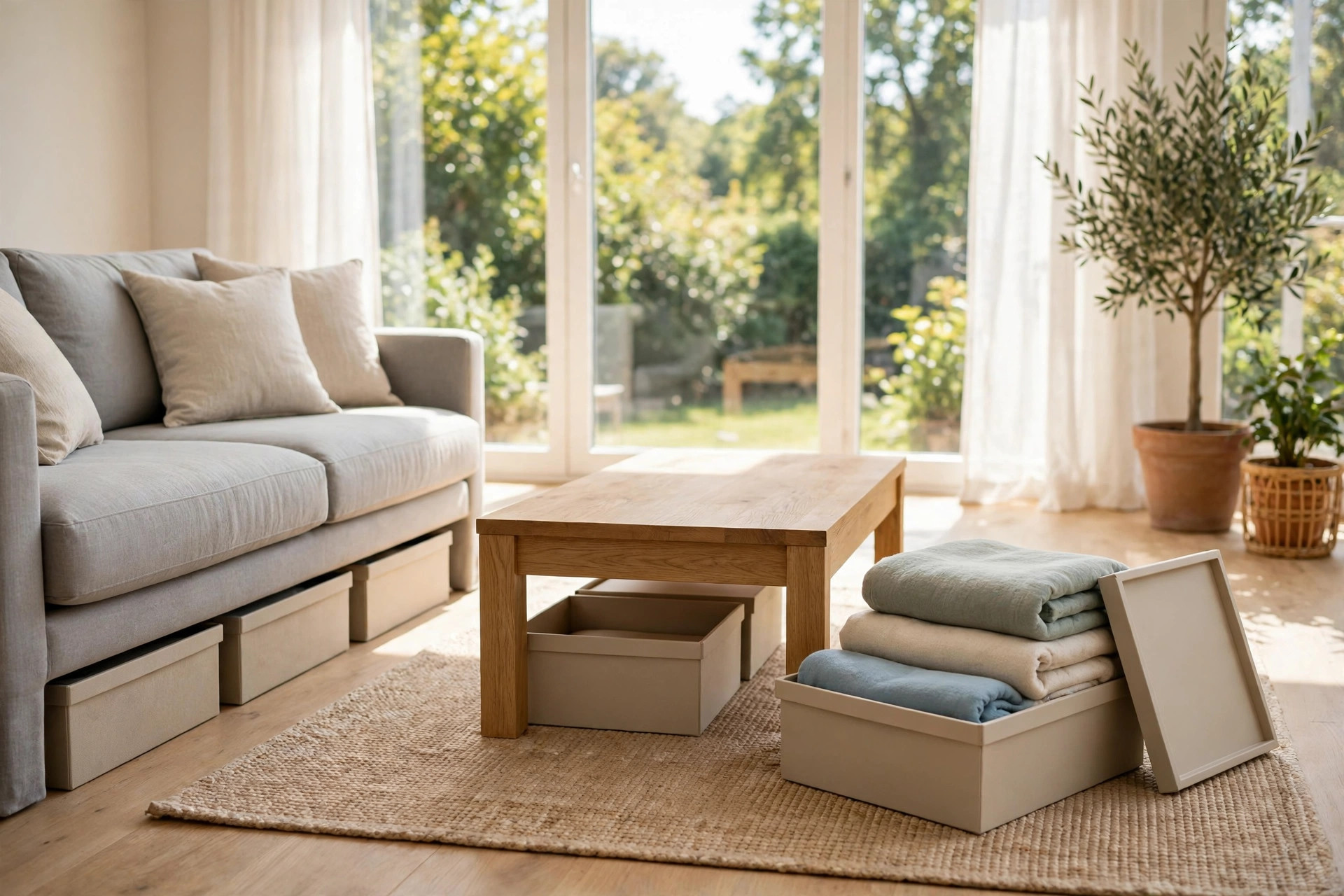
The space under my bed held dust and one lost sock for years, which felt like a waste. Flat boxes now hold folded seasonal clothes under there, and the seasonal swap means I never dig through winter sweaters in July. It is free storage I already owned.
The downside is that boxes without lids fill with dust, and anything damp stored under a bed smells musty fast. I use lidded boxes and never store anything damp, and I wipe the boxes when I swap seasons. If your bed sits on the floor, bed risers can create the space.
Pro Tip: Label the short end of each box, because that is the side you see when you kneel to pull it out.
Cost: $10–$25 | Time: 20 minutes | Difficulty: Easy
7. Clear Containers and Labels

I used to buy matching opaque boxes that looked beautiful and hid everything inside them. Clear containers changed that, because I can see what I own without opening a single lid, and labels on the front tell me what belongs where. My pantry, closet, and craft shelf all run on the same rule now.
The catch is that clear containers show mess too, so a half-empty container looks untidy instead of organized. I decant into sizes that match what I actually own, and I never buy a container before knowing what goes in it. Clear only helps when contents are tidy.
Pro Tip: Label the front, not the top, because stacked containers only ever show you their fronts.
Cost: $10–$30 | Time: 30 minutes | Difficulty: Easy
8. Rolling Carts
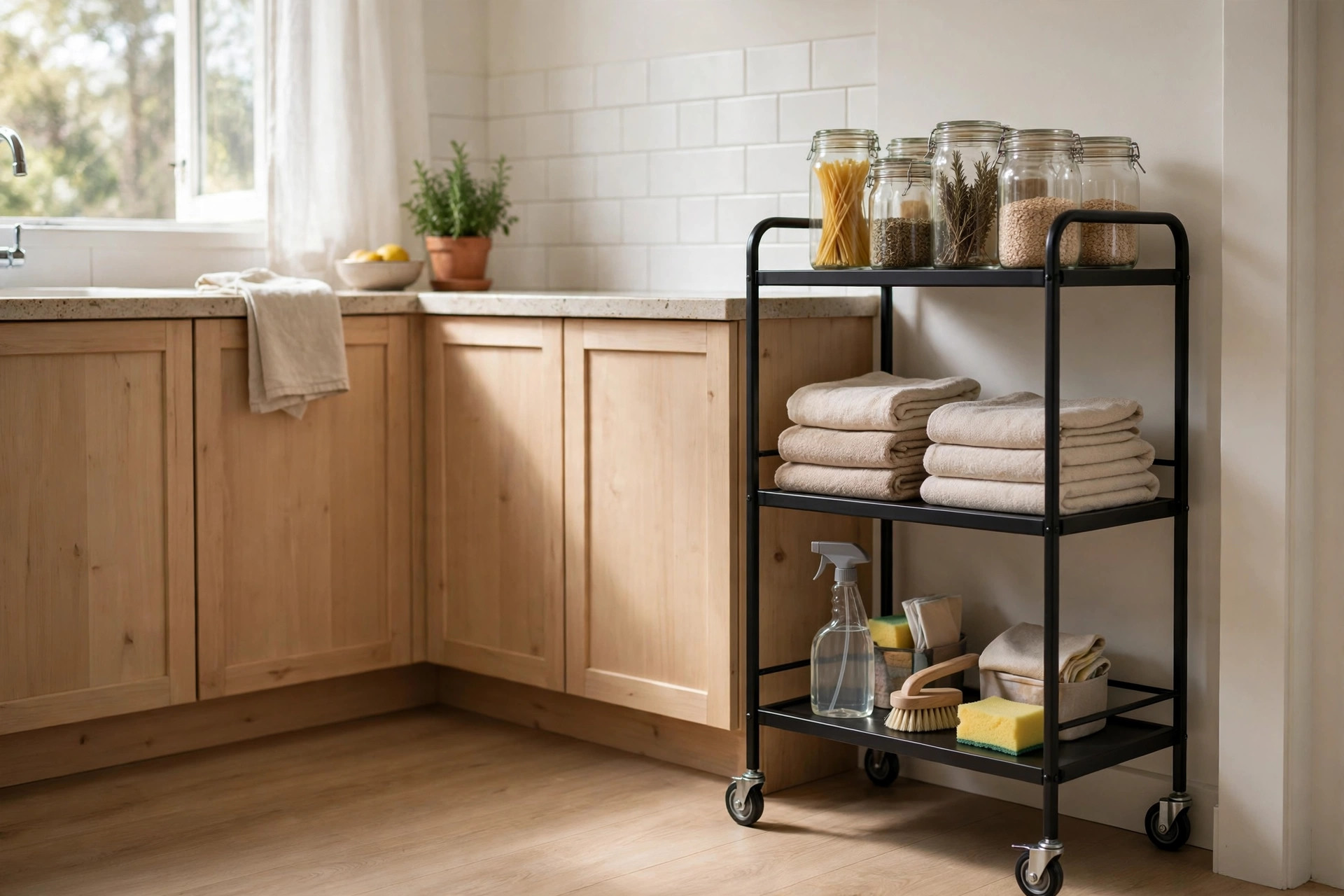
My rolling cart is the hardest-working thing in my small home, because it moves to wherever the work is. It holds cooking tools by the stove at dinner, craft supplies by the sofa in the evening, and cleaning things by the bathroom on weekends. When not needed, it parks in a gap barely wider than itself.
The downside is that a cart becomes a dumping ground if everything homeless lands on it. I give my cart one job per day and clear it every night, which takes two minutes and keeps it useful. An uncleared cart is just a junk drawer with wheels.
Pro Tip: Buy a cart with brakes, because a cart that rolls away mid-task is funny exactly once.
Cost: $25–$60 | Time: 15 minutes | Difficulty: Easy
9. Hooks Inside Kitchen Cabinet Doors
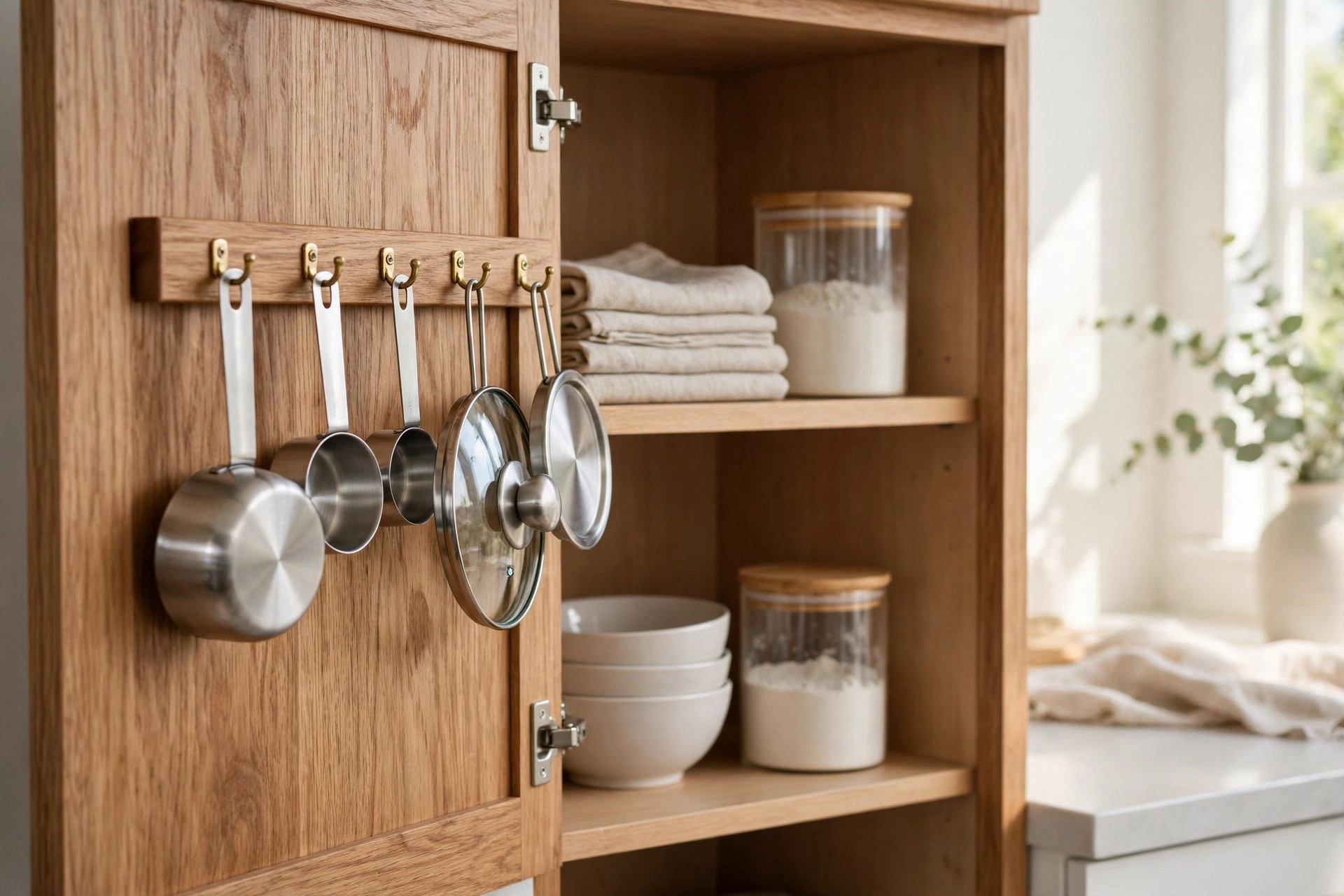
My kitchen cabinet doors used to be blank panels hiding nothing but wood. A small rack inside one door now holds pot lids upright, and another holds measuring cups, which freed a drawer for things that actually need one. It is storage nobody sees until the door opens.
The catch is that racks add weight, and a cheap adhesive rack will fall off in a steamy kitchen. I use screw-mounted racks on solid doors, adhesive ones only on light items, and I never hang cast iron on a door. Check the hinges monthly, because a sagging door tells you it is overloaded.
Pro Tip: Measure the door’s inner frame first, because a wider rack will stop the door closing.
Cost: $8–$20 | Time: 20 minutes | Difficulty: Easy
10. Pegboard Wall

My pegboard wall holds tools, scissors, tape, and craft supplies where I can see them all at once. Before it, those things lived in three drawers and a box, and I bought duplicates because I forgot them. Now I grab what I need without opening anything, and empty hooks show what is missing.
The downside is that a pegboard can look busy, and a wall of tools is not everyone’s decor. I frame mine with a simple wooden border and keep it tidy, which makes it look intentional instead of chaotic. If you hate the look, hang it inside a closet door instead.
Pro Tip: Trace each tool’s outline, because the empty outline tells you instantly what has not been put back.
Cost: $20–$50 | Time: 1 hour | Difficulty: Moderate
11. Slim Wall Shelf as Nightstand

My bedroom had no room for a nightstand, so my phone and book lived on the floor. A slim wall shelf beside the bed now holds my phone, water, and book, and the floor stays clear. It cost less than a nightstand and took no floor at all.
The catch is that a wall shelf holds less than a nightstand, with no drawer to hide the mess. I keep only three things on mine and everything else in the closet, which forces honesty about nightly use. If you need a drawer, this idea is not for you.
Pro Tip: Mount it at mattress height, because a higher shelf will never hold your water glass.
Cost: $15–$35 | Time: 45 minutes | Difficulty: Moderate
12. Baskets as Decor

My living room blankets lived in a pile on the sofa that I moved whenever I sat down. A big wicker basket now holds them all, and it looks like decor, not storage, so I never hide it before guests arrive. The basket earns its floor space by looking good.
The downside is that an open basket invites everyone to toss anything in it, and mine once held a blanket, charger, and dog toy. I keep one basket per category and empty it Sundays, which takes two minutes. Without that habit, a pretty basket is a prettier junk pile.
Pro Tip: Pick a basket with handles, because one you cannot carry will never get emptied or moved for cleaning.
Cost: $15–$40 | Time: 5 minutes | Difficulty: Easy
13. Shelf Risers Inside Cabinets
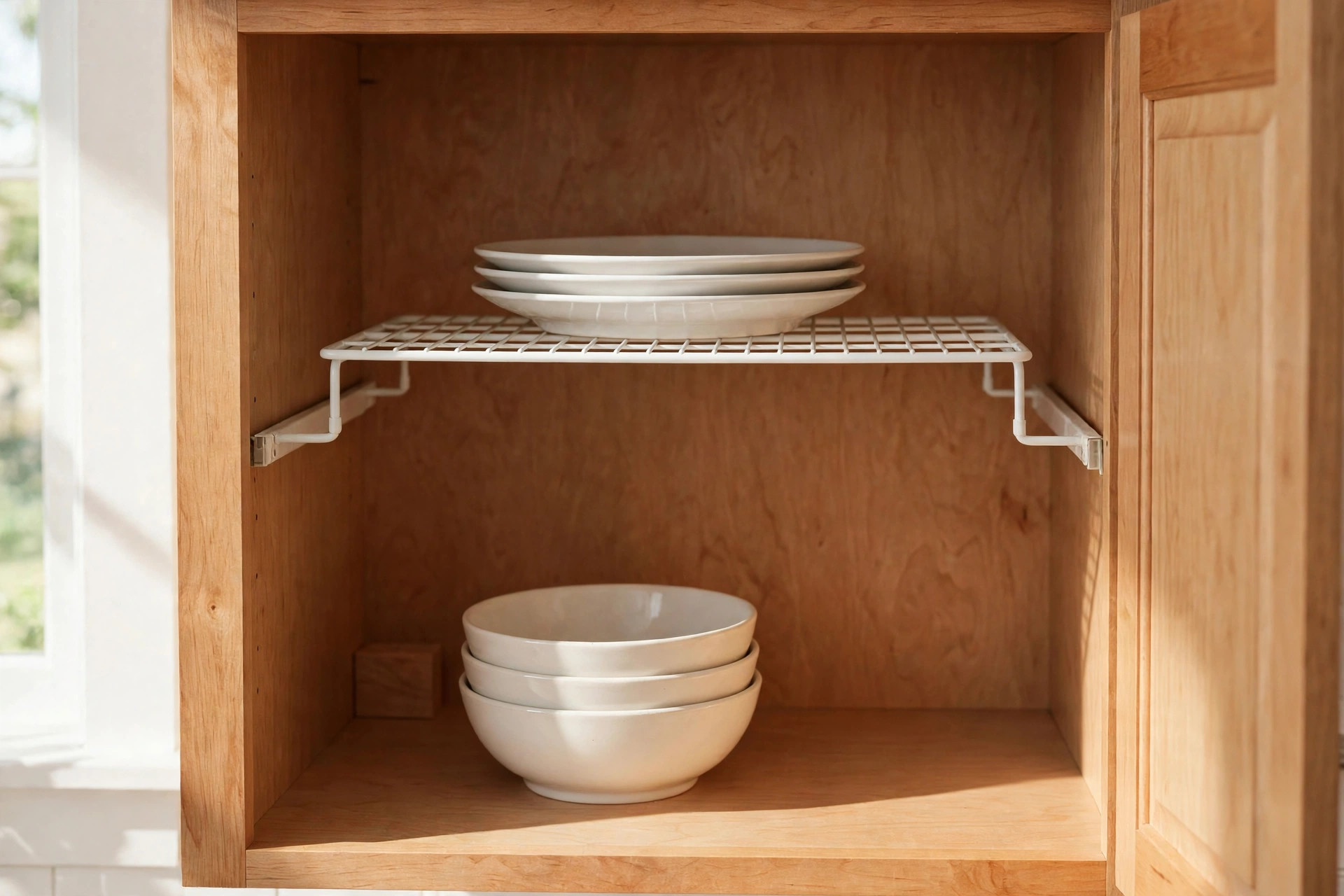
My kitchen cabinets had one shelf each, which meant half the vertical space sat empty above the jars. Small risers now split each shelf into two levels, so short jars live below and tall bottles above, and I doubled my cabinet storage without changing a single cabinet. It is the cheapest renovation I have done.
The downside is that risers steal height, so very tall bottles may not fit underneath anymore. I moved tall bottles to the top shelf and kept risers for jars, cans, and short bottles only. Measure your tallest bottle first, because an ill-fitting riser is just clutter.
Pro Tip: Put the heaviest jars below, because a top-heavy riser tips when you pull a jar out.
Cost: $10–$20 | Time: 15 minutes | Difficulty: Easy
14. Wall Hooks for Bags and Hats

My bags and hats lived on chairs, which meant I never sat on them. Wall hooks by the door now hold every bag and hat in plain sight, and I grab what I need on the way out without thinking. Hooks are the simplest storage here, and they cost almost nothing.
The downside is that hooks show everything, so a wall of bags can look messy even when it is organized. I limit myself to five hooks, one bag each, and anything extra goes in the closet. If your hooks hold more than weekly use, you own too many bags, not too few hooks.
Pro Tip: Hang hooks at different heights, because identical hooks waste space between bags.
Cost: $5–$15 | Time: 30 minutes | Difficulty: Easy
15. Drawer Dividers

My drawers used to be junk pits where small things vanished under bigger things. Dividers now split each drawer into sections, so batteries, tape, and scissors each have a spot, and I find things without emptying drawers. It is a small change that saves me ten minutes a day.
The downside is that dividers slide around unless they fit the drawer snugly, and a loose divider is worse than none. I measured each drawer first and bought sets that fill them edge to edge, with no gaps at all. If your drawer is odd-sized, use two small trays instead of one big insert.
Pro Tip: Empty the drawer before dividing it, because half of every junk drawer is forgotten trash.
Cost: $5–$15 | Time: 15 minutes | Difficulty: Easy
16. Use the Space Above Doors
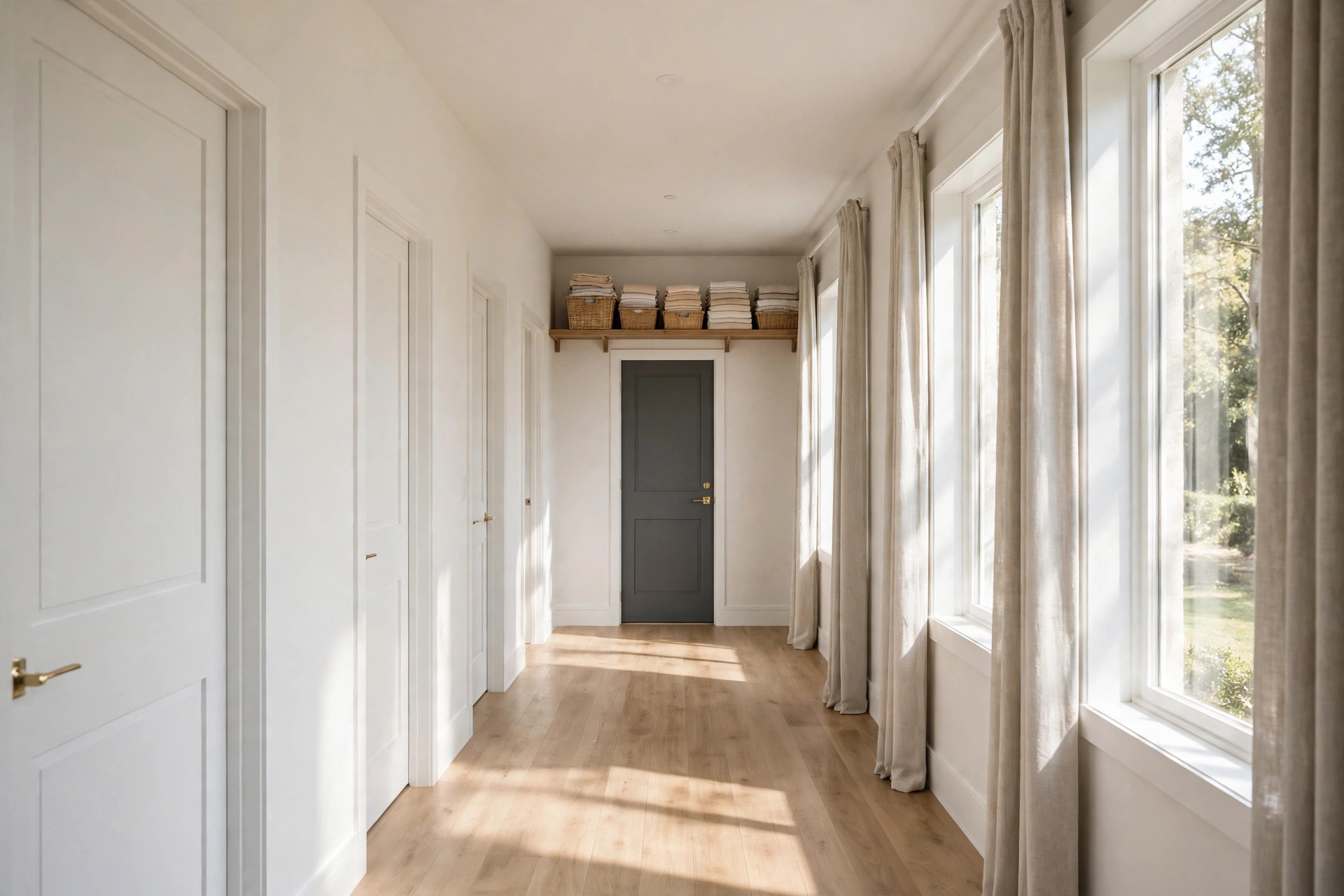
The shelf above my door held only dust for years, yet it runs the whole width of the room. A narrow shelf there now holds labeled bins for twice-a-year things, like holiday lights and spare bedding, and my home breathes easier. High space is free space.
The downside is that high bins are hard to reach, and I once dropped a bin on my own head. I only store light things up there, and I use a step stool, never a chair. If you need something more than twice yearly, it does not belong above a door.
Pro Tip: Label the bottom of each high bin, because it is the only side seen from the floor.
Cost: $15–$30 | Time: 45 minutes | Difficulty: Moderate
17. Ten-Minute Daily Reset

My small home stays tidy because of a ten-minute reset every evening. I set a timer, and everyone puts away what they used that day, from toys to dishes to jackets, before the timer ends. It is not deep cleaning or perfect, but it stops small messes becoming weekend projects.
The honest downside is that the reset fails on busy nights, and one skipped night becomes three. I made the reset part of our evening routine, right after dinner, so it happens even when nobody wants to. If you miss a night, reset the next one, because guilt cleans nothing.
Pro Tip: Keep a basket by the stairs for strays, because one basket beats ten trips with single items.
Cost: $0 | Time: 10 minutes a day | Difficulty: Easy
18. Corral Small Items in Trays

My keys, glasses, and phone lived wherever I dropped them, which meant a morning search. A small tray by the door now holds those three things, and my mornings start with grabbing instead of searching. The tray did not organize my home, but it organized my mornings.
The downside is that a tray collects everything, and mine once held keys, coins, a screw, and a dead battery. I empty it Sundays and return anything that does not belong there, which takes one minute. A tray emptied weekly stays useful, but without that habit it becomes an open junk drawer.
Pro Tip: Put the tray where you naturally stop, because a tray in the wrong spot stays empty forever.
Cost: $5–$15 | Time: 5 minutes | Difficulty: Easy
19. One Corner, Two Jobs

My living room corner held a chair nobody sat in, which wasted the best light in the room. A small desk there now serves as work corner by day and writing spot by night, with a bamboo organizer holding pens, notebook, and phone. One corner, two jobs, and no extra room needed.
The downside is that a dual-purpose corner never rests, and work papers creep into relaxation. I clear the desk nightly and put work things in one drawer, so the corner feels like home at night. If you cannot clear it daily, pick a corner you never relax in.
Pro Tip: Face the desk toward the room, not the wall, because a closed-in corner will never get used.
Cost: $0–$50 | Time: 30 minutes | Difficulty: Easy
20. Seasonal Rotation

My small home cannot hold every season, so I rotate like a shop window. Summer clothes go into labeled boxes when winter arrives, and winter things come back out, which means I live only with current-season needs. The boxes live on a high shelf, out of daily reach but easy to swap.
The downside is that rotation takes an afternoon twice a year, and it is tempting to skip it. I do it the first weekend of the new season, with music and a donation bag ready, which feels fresh instead of a chore. Skipping it once means living with two seasons of clutter.
Pro Tip: Wash everything before boxing it, because a stain stored six months becomes permanent.
Cost: $10–$25 | Time: 2 hours twice a year | Difficulty: Easy
Small Space Organization: Quick Comparison
| Idea | Best for | Cost |
|---|---|---|
| Wall shelves | Walls and desks | $15–$40 |
| Storage ottoman | Living rooms | $40–$120 |
| Rolling cart | Kitchens and crafts | $25–$60 |
| Pegboard | Tools and supplies | $20–$50 |
| Door organizer | Entryways | $8–$20 |
| Daily reset | Whole home | $0 |
Mistakes I Made (So You Don’t Have To)
I bought organizers before measuring, and my beautiful new shelf did not fit the only wall I had. Measure first, write the numbers down, and buy only what fits. It takes five minutes and saves a return trip every time.
I filled every wall with shelves until my small room felt like a storage unit with a bed in it. Leave some empty wall, because a room needs breathing space as much as storage space. Half-full shelves look calmer than packed ones.
I organized once and never maintained it, then wondered why the mess came back in a month. Systems need tiny weekly habits, like a ten-minute reset, or they fall apart. Organizing is a habit, not a one-time event.
I kept everything because it might be useful someday, and someday never came for most of it. If unused in a year, it is probably clutter, not treasure. Let it go and enjoy the space it leaves behind.
I copied a photo of a perfect small home and bought everything in it, then hated living with it. Your home should fit your life, not someone else’s photo. Start with your biggest annoyance, not their prettiest idea.
Frequently Asked Questions
Can a small home ever really stay organized?
Yes, but only with habits, not just organizers. My home stays tidy because of the ten-minute reset and one-in-one-out rule, not perfect bins. Organizers help, but habits keep a small home livable.
What is the cheapest way to organize a small space?
Start free: one-in-one-out, a daily reset, and hooks and doors you already own. Then spend $10–$30 on dividers and bins for your worst drawer and shelf. You do not need a full makeover to feel the difference.
Where should I start in a small home?
From my own experience, start with the spot that annoys you daily, which for me was the entryway pile. Fixing one daily annoyance gives energy for the next one, and small wins build momentum.
Do I need to get rid of things to organize a small space?
Usually yes, at least a little, because no organizer creates space that does not exist. Let go of duplicates and things unused in a year, and keep what you truly use. Less stuff makes every system work better.
How do I organize a small space I share with others?
Give every person one hook, shelf, and basket, so shared spaces have clear ownership. Agree on a ten-minute reset each evening, because shared spaces only stay tidy when everyone maintains them.
Final Thoughts
Small space organization is not about perfection or owning almost nothing. It is about making a small home work for the life you actually live, with systems that survive busy weeks and real families.
Start with one wall, one drawer, or one habit, and build from there. My small home is not perfect, but it works, and every idea here earned its place by surviving daily life. Pick your biggest annoyance and fix that first.




5 Comments