
10 Reasons You Should Stay Organized Based on Science
Staying organized pays in time, money, calm, and safety — and the evidence backs it up.
The National Association of Productivity and Organizing Professionals found that 55% of people would save 16 minutes to 1 hour a day if they were more organized — that is 2 to 15 days a year. Clutter signals unfinished business to the brain and raises cortisol, the stress hormone; Utah State University Extension notes a clean, organized space supports mental health, and starting small is what makes it stick. An organized home also wastes less money: no more duplicate buys of things you already own but cannot find, and less food wasted because you can see what you have. It is safer too — fewer trip hazards, less dust — and it helps sleep and confidence. This post is the why. The how lives in the linked guides — and one honest limit: organization will not fix anxiety or depression, and it will not stay done without maintenance.
I believe staying organized is one of the simplest ways to make everyday life less stressful, and these reasons to stay organized explain why the effort pays off. When my home is tidy, my schedule is clear, and I know where my important things are, I find it much easier to focus on what matters.
Being organized doesn’t mean keeping everything perfect. It means creating a space and routine that work for me.
If your home feels cluttered or your daily schedule seems impossible to manage, you might wonder whether getting organized is worth the effort. I understand that feeling, especially when cleaning and planning already seem like extra tasks on a busy day.
However, research suggests that our surroundings and daily habits can influence our attention, stress levels, and overall well-being. I’ve put together 10 science-informed reasons to stay organized, along with practical ideas you can use at home, at work, and in your personal life.
I see organization as more than a way to keep my home looking neat. It can help me concentrate, manage everyday stress, save time, make better financial decisions, and get more done throughout the day. Simple habits, such as planning meals, organizing my workspace, tracking expenses, and setting weekly goals, can make daily responsibilities easier to handle.
The 10 reasons cover what organization gives back in daily life: better focus, less stress, saved time and money, more productive days, stronger relationships, more energy, and everyday well-being, each with a practical idea to try. Start with the reason that would help your week most, and let that one small win pull the rest along.
Key Takeaways
- I can reduce visual distractions by keeping my workspace clear and organized.
- A manageable home environment may help me feel less overwhelmed by everyday responsibilities.
- Organizing frequently used items can save time spent searching for things.
- Meal planning and scheduling can support healthier routines.
- Tracking expenses helps me understand my spending and plan a realistic budget.
- Written goals and daily task lists can make it easier to measure progress.
- Planning ahead can help me manage work commitments and personal relationships.
- Completing small tasks gives me a visible sense of achievement.
- Simple organizing activities can help me get moving when I’ve spent too much time sitting.
- Regular household chores can contribute to my daily physical activity.
1. Helps to Stay Focused

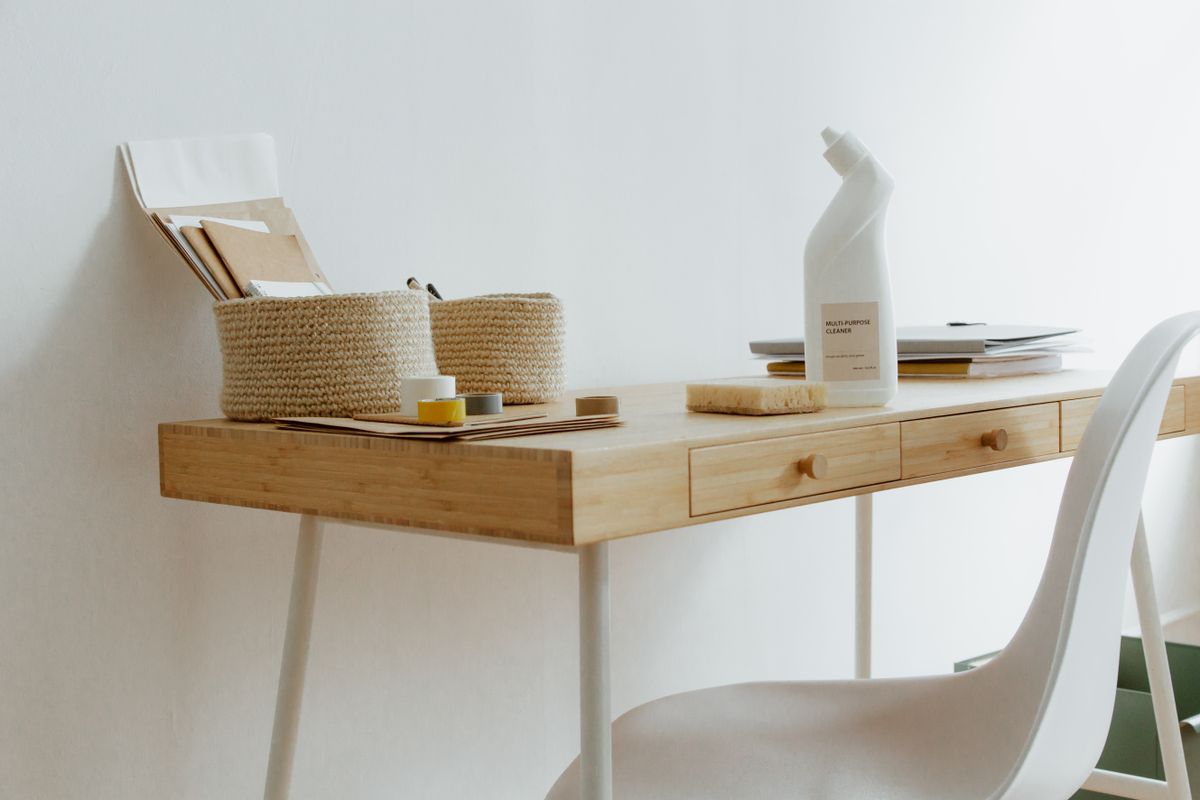
One reason I try to keep my workspace organized is that a cluttered environment can compete for my attention. When my desk is covered with old papers, empty cups, random objects, and unfinished tasks, I have more things demanding my attention than I actually need.
Research from Princeton University researchers has examined how visual clutter affects attention. Their findings suggest that competing visual information can make it harder for the brain to process the information that matters most.
I find this especially relevant when I’m working on something that requires concentration. If I need to write, study, or finish an important task, I don’t want unnecessary objects constantly reminding me of other things I could be doing.
Pro Tip: Before beginning an important task, spend five minutes clearing your immediate workspace. I find this more manageable than trying to organize an entire room before getting started.
Focus is the first payoff — and for brains that fight standard systems, these ADHD-friendly organization hacks work with how attention actually works.
2. Relieves Stress

I think one of the most overlooked benefits of staying organized is how it can change the way I feel about my surroundings. When laundry is piling up, dishes are waiting in the sink, and unfinished tasks are scattered around the house, everyday responsibilities can feel much heavier.
Research published in the Personality and Social Psychology Bulletin examined how women described their home environments and how those descriptions related to mood and stress. The researchers found associations between describing a home as cluttered or stressful and indicators of poorer mood and stress-related patterns.
It’s important to remember that these findings don’t mean clutter automatically causes depression or that cleaning can resolve every source of stress. Work pressure, financial worries, relationships, and other life circumstances can all affect mental well-being.
For more ideas in this area, see my guide on paper clutter.
A small home is not the problem — the wrong system is; these small space organization ideas show how to fit a calm system into tight rooms.
3. Saves You Time

I used to think organizing required too much time, but I see the value of planning when I consider how much time disorganization can waste.
Think about the small delays that happen throughout the day. I might search through kitchen cupboards for an ingredient, look for a missing sock, or spend several minutes trying to remember where I put an important document.
Each incident may seem insignificant, but repeated searches can interrupt my routine and make simple responsibilities take longer than necessary.
An organized home doesn’t eliminate every delay. However, assigning everyday items a consistent place makes them easier to find, while planning ahead reduces the number of decisions I need to make at the last minute.
4. Improves Your Overall Health

I believe organization can support healthier habits by making everyday choices easier to manage. When my schedule is unpredictable, I may skip meal preparation, forget planned exercise, or rely on convenient food because I haven’t thought ahead.
A more organized routine can help me prepare for these situations. For example, planning meals before grocery shopping makes it easier to buy the ingredients I need, while scheduling physical activity helps me treat movement as part of my routine rather than something I’ll do only when I have extra time.
Research published in health and behavioral journals has explored connections between everyday environments, routines, and health-related behaviors. These relationships are complex, so I wouldn’t claim that organizing a home automatically leads to weight loss or better health.
Instead, I see organization as a practical tool that can support habits that contribute to well-being.
Pro Tip: I recommend starting with one health-related habit, such as preparing tomorrow’s lunch or scheduling three walks a week. Once that habit becomes easier, you can build on it.
5. Saves You Money

One of the most practical reasons I like staying organized is that it helps me understand where my money goes. When I don’t track my spending, small purchases can easily disappear from my memory, making it difficult to understand why my budget feels tight.
A simple budget or expense tracker gives me a clearer picture of my financial habits. I can see how much I spend on groceries, household supplies, subscriptions, transport, and nonessential purchases.
I don’t need an expensive planner or a complicated financial application to do this. A notebook, spreadsheet, or basic budgeting tool can be enough to get started.
Organization can also help me avoid buying things I already own. When my pantry is arranged properly, I can check existing ingredients before shopping. When I keep an inventory of cleaning supplies and toiletries, I am less likely to purchase duplicates simply because I cannot find what I need.
Planning purchases is one of the most practical reasons to stay organized: it also gives me more time to compare prices and decide whether something is necessary.
For more ideas in this area, see my guide on home file organization.
Saving money starts with stopping the duplicate buys — this guide shows how to organize your life for cheap, without buying storage first.
6. Makes You More Productive

I find it easier to get things done when I know what needs my attention and how much time I have available. Without a plan, I can spend too long switching between tasks, searching for files, or deciding what to work on next.
Organization helps me break larger responsibilities into smaller steps. Instead of writing down a vague goal such as finishing a project, I can list the actions required to complete it and decide which ones deserve attention first.
Pro Tip: Try time blocking by assigning specific periods to particular tasks. For example, I might reserve 30 minutes for planning, an hour for focused work, and another short period for responding to messages. I adjust the schedule based on the actual workload rather than expecting every day to go perfectly.
For more ideas in this area, see my guide on home office organization.
Productivity is the payoff of a process, not a personality trait — here is how to organize your home like a pro, step by step.
7. Improves Your Work and Personal Relationships

I believe organization can improve relationships by helping me manage commitments and communicate more clearly. When I forget appointments, arrive late, or repeatedly change plans at the last minute, other people may feel that their time isn’t being respected.
Planning ahead can reduce these avoidable problems. Keeping work meetings, family events, birthdays, and personal appointments in one calendar makes it easier to understand what I have committed to and when I am available.
Organization can also help at work. When I know which tasks are due and what my colleagues need from me, I can communicate more clearly and reduce the chance of missing important deadlines.
In personal relationships, I find that making time for shared activities can be just as important as completing practical responsibilities. Planning a meal together, arranging a weekend outing, or setting aside time to talk can help prevent busy schedules from taking over every part of life.
Pro Tip: At the beginning of each week, review your calendar and identify any potential conflicts. A quick check can help you prepare in advance instead of rushing to fix scheduling problems later.
8. Introduces a Sense of Achievement into Your Life

I think it’s easy to overlook small accomplishments when most of our attention goes toward large goals. Finishing a project, improving a skill, or reaching a major milestone can take weeks or months, but everyday progress happens in much smaller steps.
Writing down these smaller achievements helps me recognize that progress is still happening, even when the final goal feels far away.
For example, organizing one kitchen drawer, completing a reading assignment, preparing meals for the week, or finally handling an overdue administrative task may not seem like major accomplishments. Yet each completed task removes something from my to-do list and gives me a clear result to look back on.
9. Saves You Energy

I know that some days feel more tiring than others, even when my schedule doesn’t appear especially demanding. When I have too many unfinished tasks or cannot find what I need, I may waste additional mental effort deciding where to begin.
Organization can reduce some of that friction by making everyday responsibilities more predictable. If my workspace is ready, my clothes are easy to find, and my priorities are written down, I have fewer small obstacles to deal with before getting started.
I also find that changing my surroundings can be a useful way to restart a routine when I feel stuck. Clearing a table, putting away laundry, or sorting a small pile of paperwork gives me a concrete task with a clear finish.
However, I wouldn’t treat cleaning as a cure for ongoing fatigue. Low energy can have many causes, including inadequate sleep, stress, illness, or other health concerns. Rest is sometimes exactly what the body needs.
10. Keeps You Fit and Lowers Risk of Cardiovascular Diseases

I see household chores as one way to add more movement to an ordinary day. Cleaning floors, carrying laundry, putting away groceries, and tidying different rooms all involve physical activity, even though they may not feel like formal exercise.
Regular movement matters for cardiovascular health. According to the World Health Organization, adults should aim for at least 150–300 minutes of moderate-intensity aerobic physical activity per week, or an equivalent amount of vigorous activity, for substantial health benefits. Muscle-strengthening activities are also recommended on two or more days each week.
Household tasks can contribute to daily movement, depending on how intensely and how long I perform them. However, not every chore is vigorous enough to count as moderate-intensity exercise, and cleaning alone should not be considered a complete fitness plan.
Pro Tip: Pair a short household task with an existing routine. For example, I might tidy the kitchen after dinner or put away laundry while listening to music. I also make time for dedicated exercise instead of relying on chores alone to meet my activity goals.
Mistakes That Make Staying Organized Harder
Trying to organize everything in one giant session. I used to spend a whole weekend on every room, burn out, and then never keep any of it up. Smaller sessions that I can actually repeat beat one heroic weekend every time.
Buying storage before decluttering. I once filled new containers with things I did not need, which just made the clutter look tidier. Clearing out first means every container I buy has a real job.
Building a system only I understood. My labels and categories made perfect sense to me and no sense to anyone else in the house, so nothing stayed put. A system the whole household can follow lasts far longer than a clever one.
Aiming for perfect instead of functional. I put off starting because the result in my head looked like a magazine photo. A plain system that works on a busy Tuesday beats a perfect one I never build.
Leaving no home for incoming items. Mail, bags, and school papers rebuilt the piles every single day because they had nowhere to land. One landing spot by the door stopped most of the daily pile-up.
One common mistake is buying storage before decluttering — the low-budget method is to organize your house on a low budget by sorting first and buying only what each zone needs.
Frequently Asked Questions
1. Why is staying organized important?
Staying organized can help me improve focus, save time, manage stress, and complete daily tasks more efficiently. It also makes it easier to manage my finances and maintain healthy routines.
2. How can I start organizing my home?
I recommend starting with one small area, such as a desk, kitchen counter, or bedroom drawer. Spend 10–15 minutes sorting items, removing unnecessary clutter, and giving frequently used belongings a designated place.
3. Can staying organized improve mental health?
Staying organized may help reduce everyday stress by making my surroundings feel more manageable. However, organization alone cannot treat mental health conditions, and maintaining a perfectly tidy home isn’t necessary for well-being.
Conclusion
I believe staying organized can make everyday life easier by helping me manage my surroundings, time, responsibilities, and priorities. From reducing visual distractions to tracking expenses, preparing meals, and remembering appointments, small organizational habits can support several areas of daily life.
The research on clutter, attention, and stress provides useful reasons to stay organized and to consider how our environments affect us. At the same time, I recognize that organization is not a solution to every challenge, and there is no need to maintain a perfectly tidy home to benefit from better routines.
This post is the why — for the how, start with these organization ideas, the method that turns the reasons into a system.





2 Comments