20 Ways to Organize Your Life for Cheap
My life used to feel messy even when my house looked fine. These ways to organize your life for cheap are the routines I built over two years when money was tight and my days felt scattered. None of them cost more than a few dollars, and most cost nothing at all.
Below you will find twenty routines grouped the way I actually live them: planning first, then money and meals, paper and digital clutter, family systems, and finally the small daily habits that hold everything together. Pick any three routines, try them for two weeks, and keep only the ones that make your days feel lighter.
Key Takeaways
- A weekly planning session beats any expensive planner or app.
- Routines, not willpower, keep a busy life organized long term.
- One inbox for paper and one calendar for the family ends most chaos.
- Small daily resets prevent the big weekend cleanups nobody enjoys.
- Almost every system here costs nothing but ten focused minutes.
1. Run a Sunday Planning Session

Every Sunday evening I sit down for twenty minutes with a notebook and plan the week ahead. I list appointments, deadlines, and the three things that matter most, then I stop. That short session replaced a whole week of reacting to whatever shouted loudest each day.
The honest downside is that a skipped Sunday hurts twice, because Monday arrives unplanned and the week starts behind. I protect the session by pairing it with a cup of tea after dinner, so it feels like a ritual instead of another chore.
Pro Tip: I end every planning session by writing tomorrow’s first task at the top of the page, so Monday morning starts without a single decision.
Cost: Free | Time: 20 minutes weekly | Difficulty: Easy
2. Keep a One-Page Weekly Plan

My weekly plan fits on one page, with seven small boxes for seven days. Each box holds at most three tasks, which forces me to choose what truly matters instead of writing a wish list I will never finish. One page keeps the week honest.
The limit frustrates me on heavy weeks, when five things compete for one box. I handle that by moving overflow to a separate someday list, which I review only on Sundays. The weekly page stays short, and the someday list stops guilt-tripping me daily.
Pro Tip: I write the week’s plan in pencil, because plans change and a crossed-out page feels like failure while a clean erasure feels like a fresh choice.
Cost: Free | Time: 10 minutes weekly | Difficulty: Easy
3. Build a 10-Minute Morning Routine

My mornings used to vanish into phone scrolling before I built a ten-minute routine: coffee, check today’s three tasks, lay out what I need for the day. That tiny sequence gives the whole day a direction, and it costs nothing but the discipline to skip the phone first.
The routine breaks whenever I travel or sleep badly, and rebuilding it takes a few days each time. I keep it short on purpose, because a thirty-minute routine collapses under a bad morning while a ten-minute one survives almost anything.
Pro Tip: I charge my phone outside the bedroom overnight, so the morning routine starts with coffee and the notebook instead of a screen.
Cost: Free | Time: 10 minutes daily | Difficulty: Easy
4. Do an Evening Reset

Every evening before bed, I spend ten minutes resetting the main room: cushions straight, dishes to the sink, tomorrow’s bag by the door. Waking up to a reset room feels like a gift from yesterday’s self, and it beats starting the day with yesterday’s mess.
The reset fails on exhausted evenings, and I used to skip it entirely then. Now I allow a two-minute version on hard nights, just the bag and the dishes, which keeps the habit alive without demanding energy I do not have.
Pro Tip: I set a gentle alarm for the reset, because without a cue the evening simply drifts past and the reset never happens.
Cost: Free | Time: 10 minutes daily | Difficulty: Easy
5. Plan Meals Once a Week

Meal planning once a week saved me more money than any other routine here. I plan five dinners on Sunday, shop from that list only, and cook one batch meal for busy nights. The daily what-shall-we-eat debate vanished, and so did most of my impulse grocery spending.
The plan bends when a day goes wrong, and rigid meal plans used to frustrate me then. I now plan four fixed meals and leave one flexible night for leftovers or whatever is on hand, which keeps the system realistic instead of brittle.
Pro Tip: I plan meals around what is already in the pantry first, which cuts the shopping list and stops good food from expiring unnoticed.
Cost: Free | Time: 30 minutes weekly | Difficulty: Easy
6. Set a Weekly Bill-Pay Routine

Bills used to surprise me because I paid them whenever I remembered. I fixed that with a weekly bill routine: every Friday I check what is due, pay it, and file the confirmation in one folder. No more late fees, no more panicked searches for a due date.
The routine only works if every bill lands in one place first, so I route paper bills to my paper inbox and digital ones to a single email folder. When a bill slips past both, the Friday check still catches it before it becomes a problem.
Pro Tip: I keep a one-line list of every bill and its due week on the inside of the folder, so I can spot a missing bill at a glance.
Cost: Free | Time: 15 minutes weekly | Difficulty: Easy
7. Keep One Paper Inbox
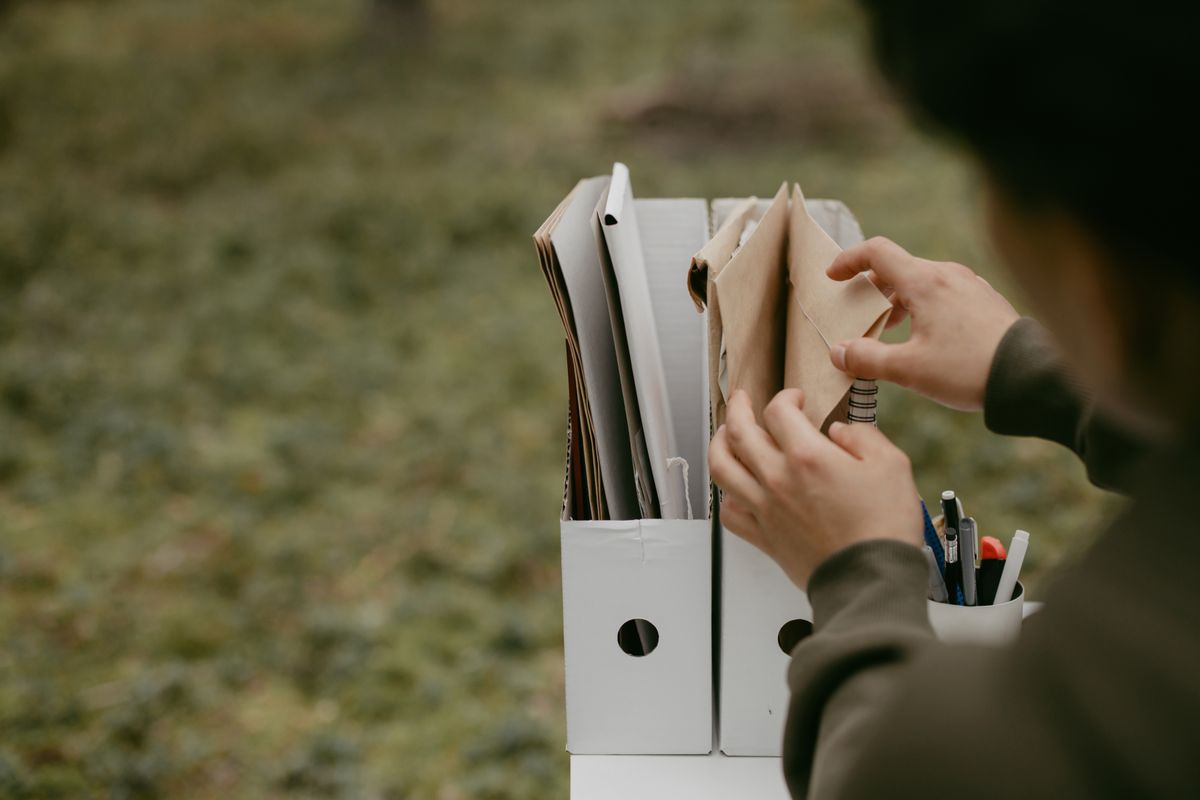
Every piece of paper that enters my house goes into one inbox tray by the door: letters, school notes, receipts, all of it. Once a week I sort the tray into file, act, or recycle. That single rule ended the piles on every flat surface in the house.
The inbox overflows if I skip the weekly sort, and an overflowing inbox is just a pile with a tray under it. My rule is simple: the tray must be empty every Sunday night, even if sorting takes fifteen minutes instead of five. I also keep a fuller paper clutter system for the files that stay.
Pro Tip: I open mail standing at the door and recycle junk immediately, so only papers that need action ever reach the inbox tray.
Cost: Under $10 | Time: 15 minutes weekly | Difficulty: Easy
8. Do a Weekly Digital Declutter

Once a week I spend fifteen minutes cleaning my phone: delete apps I have not opened in a month, clear old photos, and mute one noisy group chat. My phone feels lighter, my battery lasts longer, and I stop losing important messages in a sea of noise.
The risk is deleting something I later need, like an app with a saved login or a photo I meant to keep. I move photos to a free cloud backup before deleting, and I only remove apps I can reinstall in a minute. That safety net makes the declutter fearless.
Pro Tip: I keep my home screen to one row of daily apps, so anything new has to earn its place instead of settling in by default.
Cost: Free | Time: 15 minutes weekly | Difficulty: Easy
9. Run a Family Calendar
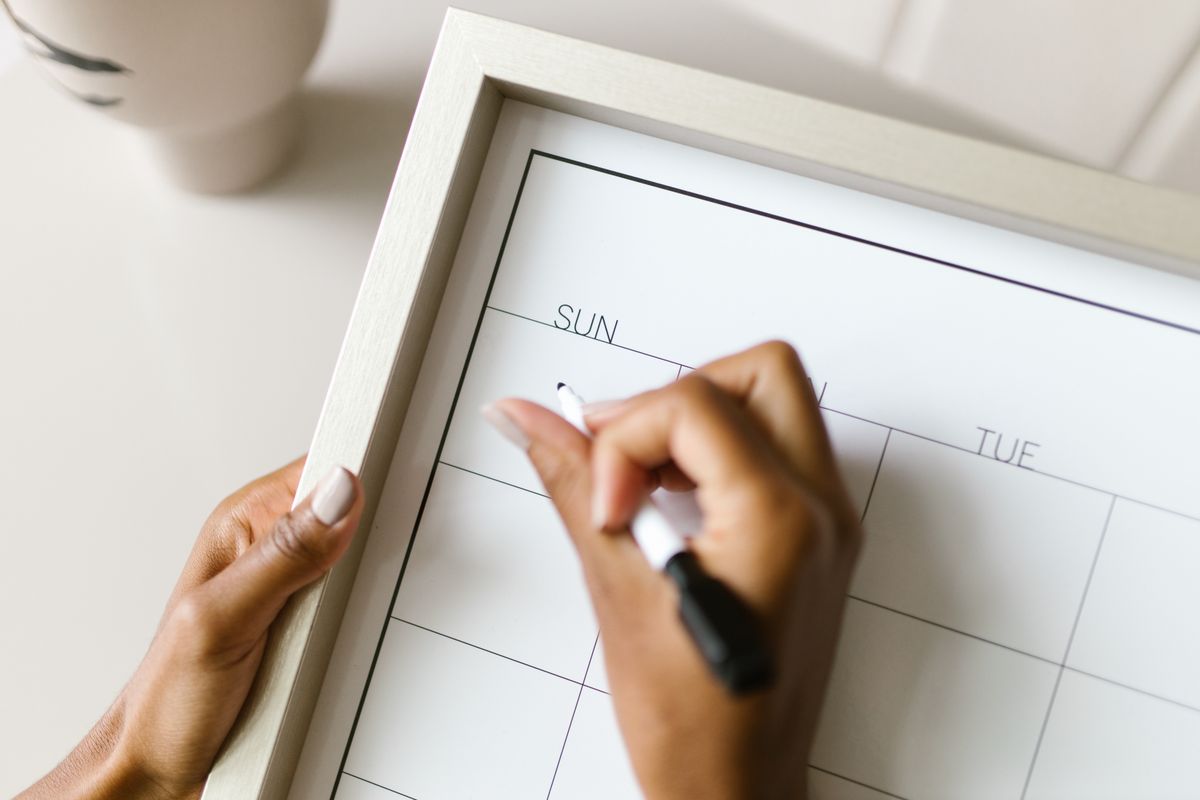
One wall calendar in the kitchen holds every family commitment: school dates, appointments, work deadlines, and social plans. Everyone checks the same calendar, so double bookings and forgotten events dropped sharply in our house. One calendar, one truth.
The calendar fails when someone books something without writing it down, and that happened often at first. We made a house rule: if it is not on the calendar, it does not exist. Within a month, everyone was writing things down without being asked.
Pro Tip: I color-code by person with cheap markers, so a glance at the calendar shows whose week is overloaded and whose is free.
Cost: Under $10 | Time: 10 minutes weekly | Difficulty: Easy
10. Track Habits on Paper

I track three habits on a hand-drawn paper grid: reading, walking, and drinking enough water. Each day I mark a cross, and the growing chain of crosses motivates me more than any app ever did. Paper never sends notifications, and it never asks for a subscription.
A paper tracker is easy to ignore when it lives inside a drawer, so mine sits on the fridge where I see it constantly. Missing a day breaks the chain, which stings, but I restart the next day instead of abandoning the month. Progress beats perfection here.
Pro Tip: I track only three habits at a time, because a grid with ten rows turns into guilt wallpaper instead of motivation.
Cost: Free | Time: 2 minutes daily | Difficulty: Easy
11. Plan School Outfits for the Week

School mornings used to be a negotiation over clothes. Now on Sunday we lay out five outfits for the week, one per day, and mornings run without arguments. The kids choose their own outfits during planning, which gives them control without the morning drama.
The plan falls apart when the weather changes midweek, so we keep one spare warm layer by the door for cold snaps. I also learned to check for stains during planning, not at seven in the morning when there is no time to fix them.
Pro Tip: I hang the week’s outfits in day order on one rail section, so even a sleepy child can grab the right set without asking.
Cost: Free | Time: 20 minutes weekly | Difficulty: Easy
12. Time-Block Your Day

Time-blocking means giving each task a slot on the day, not just a place on a list. I block two hours for deep work, one for errands, and one for house tasks, and the day stops dissolving into small interruptions. A list tells you what to do; a block tells you when.
Over-blocking is the classic mistake, and I made it for months by scheduling every minute. Now I leave two unplanned buffer blocks each day, which absorb the surprises without wrecking the plan. A day with breathing room beats a perfect plan that collapses by noon.
Pro Tip: I block my hardest task first in the morning, because willpower is highest then and the rest of the day feels easier by comparison.
Cost: Free | Time: 10 minutes daily | Difficulty: Moderate
13. Use the Two-Minute Rule

The two-minute rule is simple: if a task takes less than two minutes, do it now instead of writing it down. Reply to that message, hang up that coat, file that paper. Small tasks handled instantly never grow into the backlog that overwhelms me.
The trap is that ten two-minute tasks in a row eat twenty minutes, which can derail a focused morning. I batch the rule: during work blocks I note small tasks, then clear them in one ten-minute burst between blocks. The rule works, but only with boundaries.
Pro Tip: I keep a small notepad for two-minute tasks that appear during deep work, so I capture them without breaking focus to do them.
Cost: Free | Time: Saves time daily | Difficulty: Easy
14. Check the Fridge Before Shopping
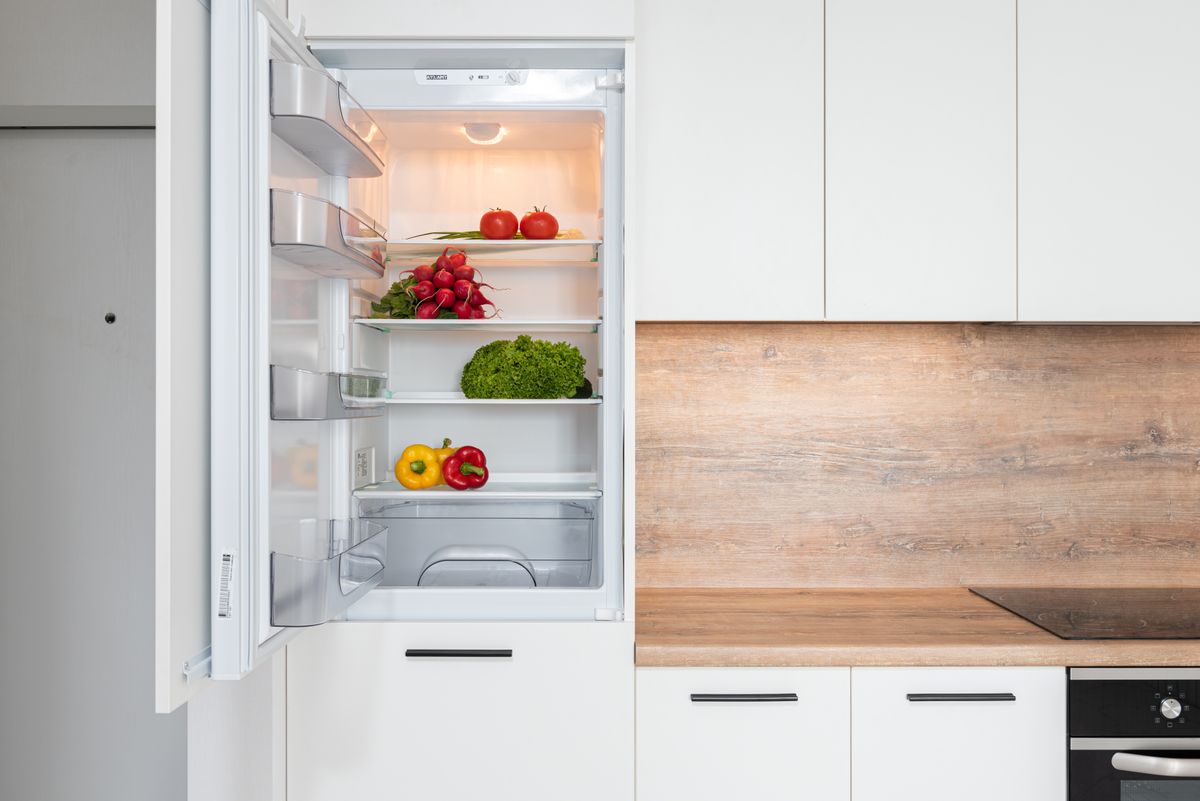
Before every grocery trip, I open the fridge and pantry and note what we already have. That two-minute check stopped me buying a third jar of sauce or a second bag of rice, and it cut our food waste noticeably. Shopping from what you own is the cheapest organizing habit there is.
The check only helps if the list follows it, so I write the shopping list right after checking, not at the store. I also plan one use-it-up meal each week around whatever is closest to expiring, which turns the check into real savings.
Pro Tip: I keep a small whiteboard on the fridge for items running low, so the shopping list almost writes itself during the week.
Cost: Free | Time: 5 minutes weekly | Difficulty: Easy
15. Hold a Monthly Money Date

Once a month I sit down with our bank statement and a simple budget sheet for thirty minutes. I check what we spent, what surprised us, and what next month should change. That one meeting replaced months of vague money anxiety with actual numbers I understand.
Money dates feel uncomfortable at first, especially when spending ran high. I keep ours blame-free by focusing on next month’s plan instead of last month’s mistakes. The papers from each date go into my home file system, so the records stay findable all year.
Pro Tip: I schedule the money date for the first weekend of the month, when the previous month’s statement is complete and the numbers are fresh.
Cost: Free | Time: 30 minutes monthly | Difficulty: Easy
16. Follow One In, One Out
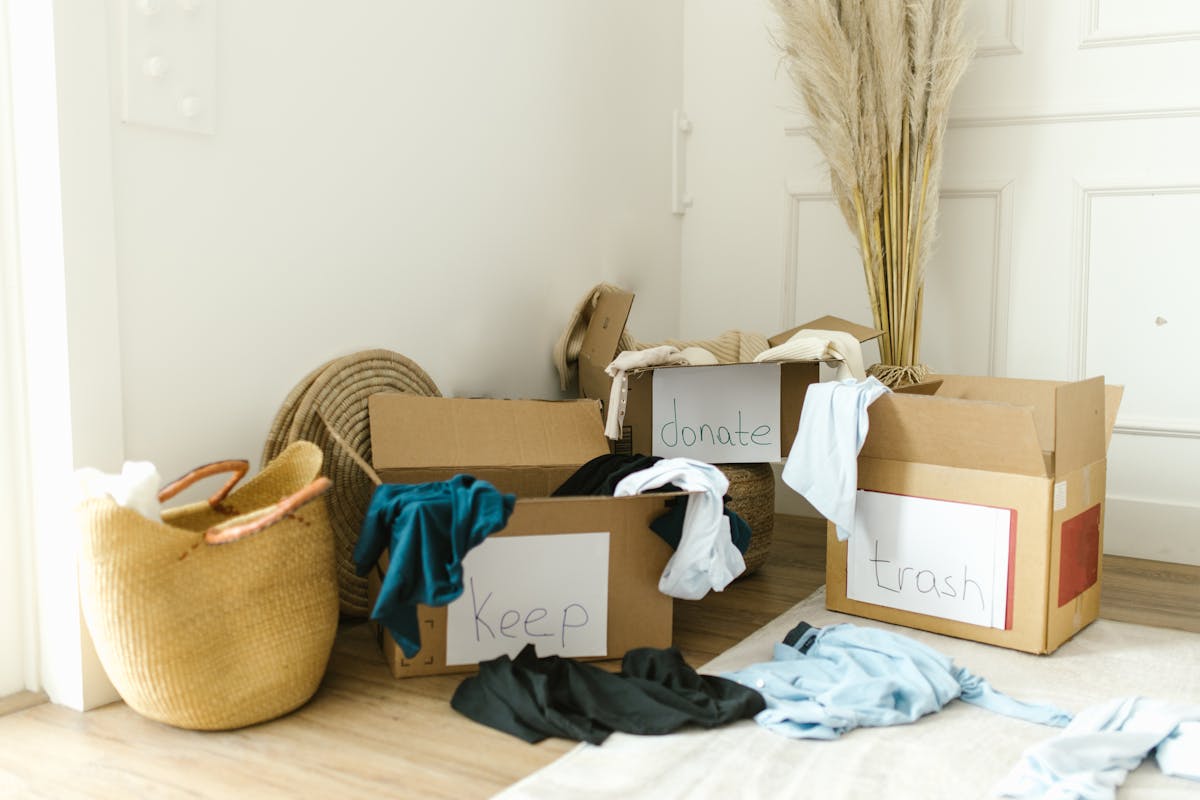
One in, one out means every new item that enters the house sends one old item out. A new shirt means an old shirt goes to donation; a new toy means an old toy leaves. The rule stops slow accumulation, which is how organized homes quietly become cluttered ones.
The rule breaks down for consumables and gifts, which nobody wants to police. I apply it only to durable things like clothes, toys, and gadgets, and I keep a donation box by the door so the outgoing item actually leaves instead of lingering.
Pro Tip: I put the outgoing item in the donation box the same day the new one arrives, because a delayed swap almost never happens.
Cost: Free | Time: 5 minutes per item | Difficulty: Easy
17. Set a 10-Minute Tidy Timer

A ten-minute timer turns tidying into a game instead of a chore. I set the timer, race around the main room putting things away, and stop when it rings. Ten minutes never feels overwhelming, yet it clears an astonishing amount of clutter when done daily.
The timer tempts me to shove things into the nearest drawer instead of their real homes, which just moves the mess. I fixed that by making a rule: timer tidying only returns things to their labeled homes, and homeless items go into the inbox for a proper decision later.
Pro Tip: I run the timer right before dinner, so the evening starts in a tidy room and the habit sticks to a meal I never skip.
Cost: Free | Time: 10 minutes daily | Difficulty: Easy
18. Batch Your Errands

I used to run one errand per trip, burning afternoons on driving. Now I save errands all week and run them in one loop on Saturday morning, grouped by location. One trip replaces four, and the rest of the week stays free for real life.
Batching fails when an urgent errand cannot wait, like medicine or a school form. I keep a small urgent list for those and run them immediately, while everything else waits for Saturday. The system saves time precisely because it has an escape valve.
Pro Tip: I plan the errand route on a map before leaving, so the loop runs in one direction instead of zigzagging across town twice.
Cost: Free | Time: Saves hours weekly | Difficulty: Easy
19. Do a Quarterly Seasonal Reset
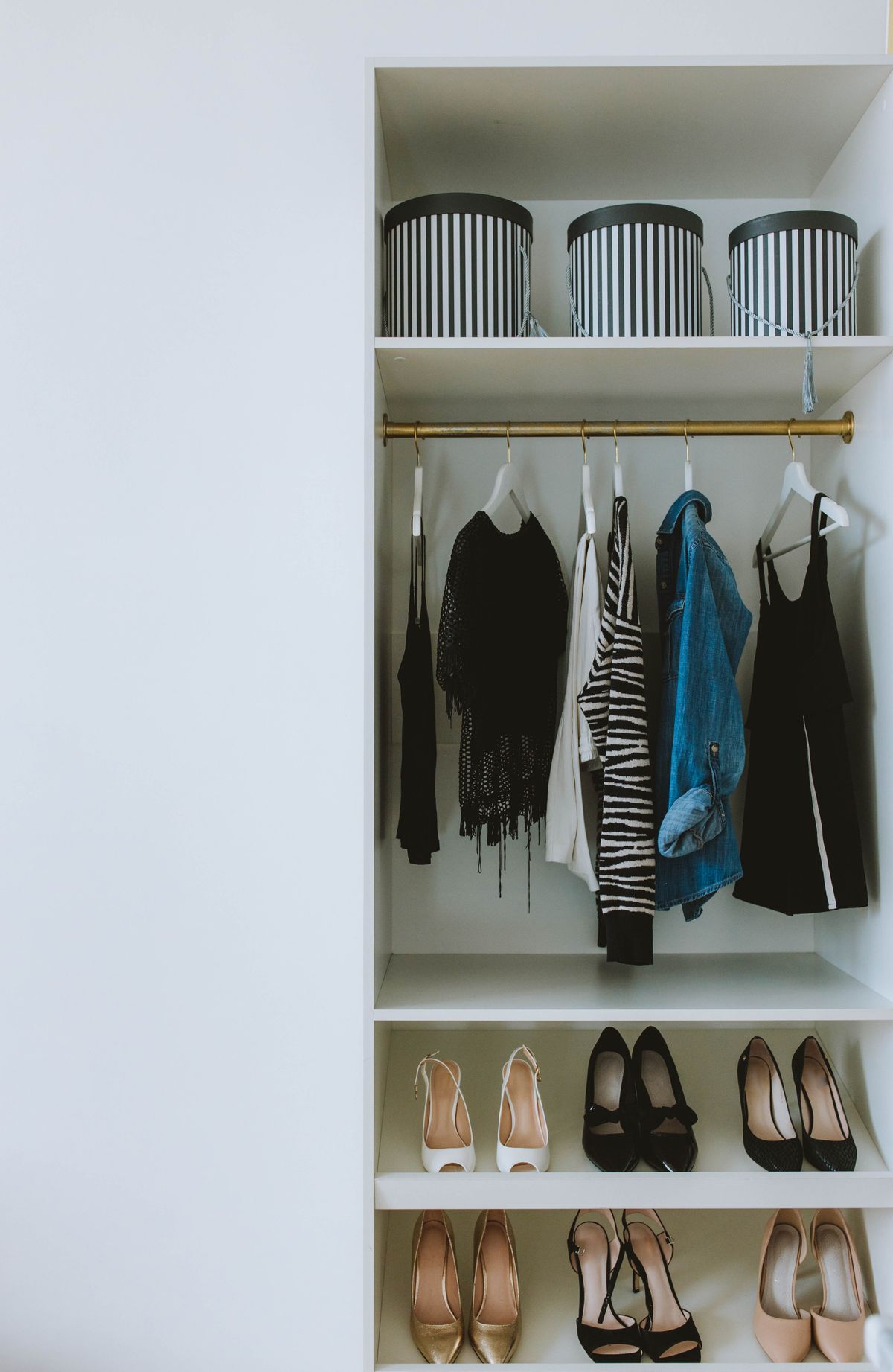
Four times a year I spend one afternoon resetting the house for the coming season: swap clothes, check supplies, and clear the spots that collected clutter. The reset catches problems while they are small, before they grow into the overwhelming mess that needs a whole weekend.
A full-house reset in one afternoon is too much, and I burned out trying it twice. Now I reset one zone per weekend across the month, which spreads the work thin enough to actually finish. Slow and complete beats fast and abandoned.
Pro Tip: I start each seasonal reset with the entryway, because it is the first space guests see and the first space I see every day.
Cost: Free | Time: 1 afternoon quarterly | Difficulty: Moderate
20. Put Your Phone on a Notification Diet

I turned off every notification except calls, messages from family, and calendar alerts. The constant buzzing stopped, and with it the habit of checking my phone every few minutes. My attention came back, and my days felt longer without adding a single hour.
The fear is missing something urgent, and that fear kept me from trying this for a year. In practice, truly urgent news still reaches me by call, and everything else waits happily for my twice-daily check. Nothing important has ever been lost to the diet.
Pro Tip: I check messages at noon and six only, which gives people a predictable reply time and gives me back the hours between.
Cost: Free | Time: 15 minutes once | Difficulty: Easy
Organize Your Life for Cheap at a Glance
| Routine | Best For | Cost | Effort |
|---|---|---|---|
| Sunday planning session | Weekly direction | Free | Low |
| One-page weekly plan | Overloaded weeks | Free | Low |
| Morning routine | Focused days | Free | Low |
| Paper inbox | Paper chaos | Under $10 | Low |
| Family calendar | Double bookings | Under $10 | Low |
| Money date | Money anxiety | Free | Low |
| Notification diet | Distraction | Free | Low |
| Seasonal reset | Slow buildup | Free | Medium |
Mistakes I Made (So You Don’t Have To)
Starting ten routines at once. My first attempt at an organized life launched every system in one week, and all of them collapsed by Friday. Three routines at a time is my limit now, and they actually survive.
Buying a planner before building the habit. I bought an expensive planner that sat empty for months. A plain notebook and a weekly session beat any beautiful planner that never gets opened.
Planning without buffer time. I scheduled every minute of my days until one delay wrecked the whole plan. Two empty buffer blocks a day fixed that, because life refuses to follow a perfect schedule.
Keeping every notification on. I believed being reachable meant being organized, but constant alerts just fragmented my attention. Turning most off was the single biggest focus upgrade I ever made.
Organizing once and stopping. I treated organization as a project with an ending, then watched everything slide back within months. Organization is maintenance, like laundry, and accepting that changed everything.
Frequently Asked Questions
How can I organize my life with no money?
Start with routines, not products. A weekly planning session, a paper inbox, a family calendar, and a morning routine all cost nothing and cover most of daily chaos. Products help later, but routines do the real work for free.
What is the first routine I should build?
The Sunday planning session, because it makes every other routine easier. Twenty minutes once a week gives the whole week direction, and without direction the other systems have nothing to organize around.
How long does it take for a routine to stick?
In my experience, about two to three weeks of daily practice before a routine feels automatic, and longer for weekly ones. Pairing a new routine with an existing habit, like tea after dinner, shortens that time noticeably.
Can I organize my life without apps?
Yes, and I mostly do. Paper, a wall calendar, and a kitchen timer cover everything in this article. Apps help some people, but they also add subscriptions and notifications, which is exactly the clutter many of us are trying to escape.
What if my family will not follow the systems?
Start with the one system that helps them most, usually the family calendar, and let the results convince them. People adopt systems that solve their own problems; they resist systems that only solve yours, so lead with their win.
Final Thoughts
These ways to organize your life for cheap will not make life perfect, and mine certainly is not. They give the important things a time, a place, and a routine, so the unimportant things stop stealing the whole day. Start with three routines from this list and give them two honest weeks.
If you need a reminder of why the effort pays off, my reasons to stay organized covers the benefits I noticed first. The cheapest organizing tool you own is ten focused minutes, used daily, and it is already in your pocket.