ADHD-Friendly Organization Hacks: 20 Systems That Actually Stick
Make everything visible (open bins, clear containers, no lids on daily items), give every item one obvious home, and keep routines under 7 steps. If you can’t see it, you’ll forget it exists.
These are home systems, not medical advice — they work with how an ADHD brain works instead of fighting it. ADHD affects working memory, task initiation and time perception, so systems that rely on remembering, multi-step routines or hidden storage fail; visible, simple systems kept close to where you use things succeed. Work in 5-minute bursts with a timer, one small area at a time, with three bins: keep, donate, trash — and stop when the timer ends. Use open bins without lids for daily items, lidded bins for seasonal storage only. Give the door a landing zone and kids a launch pad for backpack, shoes and jacket. Keep a visual checklist where the routine happens, color-code one color per person or subject, and handle each item once. Open bins cost $1.25–$5 each, clear containers $5–$15, a wall calendar or whiteboard $15–$30, a simple timer $5–$10.
I spent years buying beautiful organizers that I never used, because every system I tried assumed I would remember multi-step routines, maintain perfect categories, and put things back exactly where they belonged. The adhd friendly organization hacks below are built on the opposite idea: systems that work with a brain that forgets, gets distracted, and hates friction.
I tested all twenty in my own home, and I kept only the ones that survived busy weeks, bad days, and the honest reality that some days I have energy for organizing and some days I do not. These are organization strategies for daily life, not medical advice, and they work best alongside whatever professional support you already have.
The CDC explains that ADHD is one of the most common neurodevelopmental disorders of childhood, that there is no single test to diagnose it, and that the first step if you are concerned is to talk with a healthcare provider.
If you only have energy for three changes, do ideas 1, 2, and 3 first. Visible storage, a clear desk, and a single home for lost items fix the three most common daily frustrations. The rest of the list builds on those three, one small system at a time.
If small things keep derailing you, my guide to organize small items will help you tame the drawers before you tackle the rooms.
These 20 systems are built around visibility and low upkeep: clear desks and open baskets, labeled jars and shelf-edge labels, a drop zone by the door, and a written list for the things I keep forgetting. Every idea notes its honest cost, time, and difficulty, so I begin with the change that removes my biggest daily frustration.
Key Takeaways
- Make it visible: if you cannot see it, you will forget it exists, so clear bins and open storage win.
- Make it one step: every extra lid, door, or decision is a reason the system gets abandoned.
- Make it forgiving: a system that survives a bad week beats a perfect system that collapses in one.
- Put homes where you already go: the door, the desk, and the bedside, not a distant spare room.
- Externalize memory: lists, labels, and boards carry what your brain drops.
My 20 ADHD-Friendly Organization Hacks, in the Order I Adopted Them
1. ADHD Friendly Organization Hacks Start With Visibility
The first rule I learned is that out of sight means out of mind, literally. I replaced opaque boxes with clear labeled bins for everything I need regularly, and suddenly I stopped buying duplicates of things I already owned.
Clear bins work because they remove the “open and check” step, which is the step where I used to get distracted and wander off. I can see the contents from across the room, which means I can find things without remembering where I put them.
The honest downside is that clear bins show mess, so I use matching bins and one calm color to keep the visual noise down.
Pro Tip: I put the things I forget most where I can see them, because out of sight really does mean out of mind for me.
Cost: $8-$18 | Time: 25 minutes | Difficulty: Easy
2. A Clear Desk You Can Start Work At Immediately
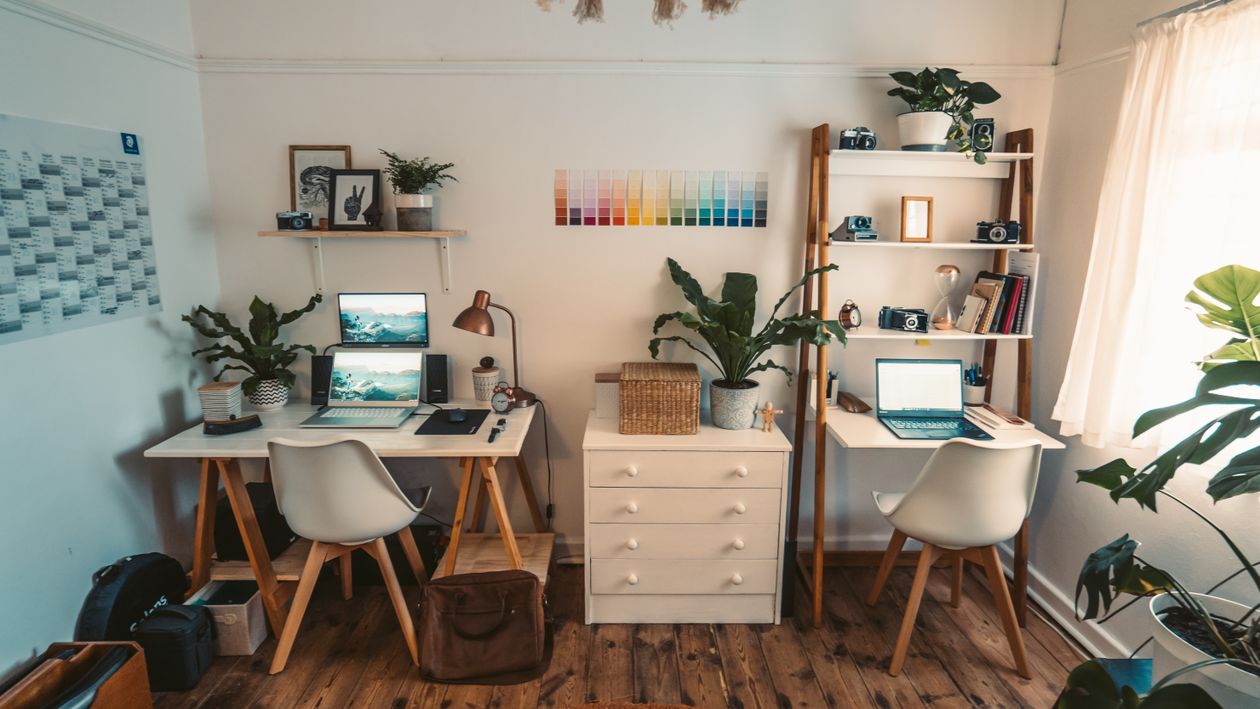
Starting work used to take twenty minutes, because my desk was a landscape of papers, chargers, and half-finished projects. I cleared it to four things — laptop, pen cup, lamp, and a small tray — and starting work now takes two minutes.
The rule is that nothing lives on the desk except what I use every day, and everything else has a home elsewhere. A clear desk matters more for an ADHD brain than for most people, because visual clutter competes for attention and attention is already the scarce resource.
The downside is maintenance: the desk refills itself daily, so I do a two-minute clear every evening as part of shutting down.
Pro Tip: I clear my desk to just the task in front of me before I sit down, so starting work does not turn into tidying first.
Cost: $0-$20 | Time: 20 minutes | Difficulty: Easy
A desk is the smallest space in the house — the organize small spaces guide runs the small-space method, simplified for ADHD brains.

3. Opaque Bins for Visual Calm, Not for Daily Items
Clear bins are for daily items, but opaque bins have a job too: hiding the visual noise you do not need to see. I use opaque labeled bins for archives, spare supplies, and anything that would otherwise shout for attention from a shelf.
The trick is never putting daily items in opaque bins, because hidden daily items become forgotten daily items. Opaque bins work for things you touch monthly or seasonally, where calm matters more than visibility. The label has to be excellent, because an opaque bin with a vague label is a mystery box.
Pro Tip: I use opaque bins only for backup stock and keepsakes, so my daily items stay visible and my shelves still look calm.
Cost: $8-$18 | Time: 20 minutes | Difficulty: Easy

4. Shelf-Edge Labels That Answer Before You Ask
Labels on shelf edges tell me where things belong before I have to remember, which is exactly the kind of external memory my brain needs. I label each shelf section in plain words: chargers, notebooks, medicines, tools.
When I am putting something away, the label answers the question my brain would otherwise spend minutes on, and minutes of indecision are when things get dumped “temporarily” on the nearest surface. The labels cost almost nothing and take ten minutes, but they quietly do the remembering for me.
The downside is that labels lie if you rearrange without updating them, so I redo labels the same day I change a shelf.
Pro Tip: I write shelf-edge labels as plain answers, like “chargers here,” so I stop opening every shelf to find one thing.
Cost: $0-$5 | Time: 10 minutes | Difficulty: Easy

5. Labeled Jars for Small Things That Vanish
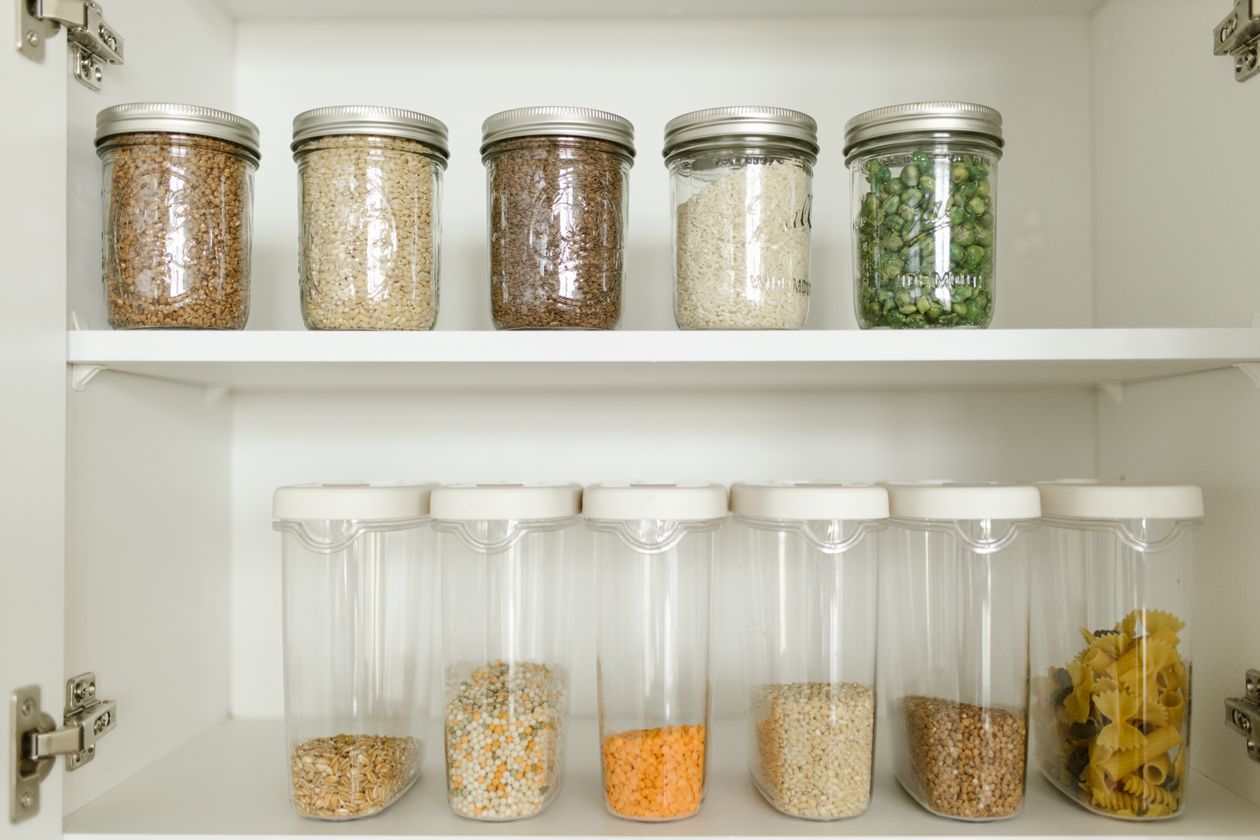
Small things — batteries, screws, hair ties, spare keys — used to vanish into drawers and reappear only when I bought replacements. Labeled jars on one shelf fixed that, because jars are visible, countable, and have exactly one job each.
I can see at a glance whether the battery jar is full, which stops the duplicate buying that used to fill my drawers. The jars sit at eye level, because a jar on a high shelf is a jar I will forget.
The honest downside is that jars tempt you to keep everything, so I cap it at one jar per category and anything that does not fit gets a decision.
Pro Tip: I put hair ties, clips, and batteries in labeled jars on an open shelf, so tiny things stop disappearing into drawers.
Cost: $5-$15 | Time: 20 minutes | Difficulty: Easy

6. A Magnet Board That Holds Your Week
My week lives on a magnetic board in the kitchen, not in my head, because my head drops appointments the way other people drop keys. The board shows the week’s tasks as movable magnets, and moving a magnet when something is done feels satisfying in a way that crossing off a list never did for me.
The board is visible every time I walk past, which means reminders happen passively instead of requiring me to remember to check an app. I keep the board to one week only, because a month-long board becomes wallpaper that I stop seeing.
Pro Tip: I move magnets on my board as the week shifts, so my plan stays where I will actually look at it.
Cost: $10-$25 | Time: 15 minutes | Difficulty: Easy
The notes on the board still need a filing home — the home file organization guide runs the one filing system that works: three folders, cleared weekly.

7. A Fridge Command Center for the Family
The fridge door holds our command center: a magnetic pen cup, the week’s schedule, and a small board for reminders. Everything the family needs to know lives in one visible place, which ended the “did you tell me?” problem that used to cause daily friction.
The pen cup matters more than it sounds, because a command center without a pen is a command center nobody updates. I keep the schedule to one week at a time, because a month view gets ignored, while a weekly view gets checked every morning.
The downside is fridge clutter, so the command center stays strictly for schedules and reminders, and artwork lives on a separate board.
Pro Tip: I stick the family’s week on the fridge where I already go daily, so I check the plan without opening an app.
Cost: $5-$15 | Time: 20 minutes | Difficulty: Easy

8. Open Baskets Beat Lidded Boxes for Daily Items
Every lid is a step, and every step is a reason to abandon a system. I replaced lidded boxes with open baskets for everything I touch daily: chargers, snacks, stationery, toiletries. Open baskets let me toss and grab in one motion, which is the only kind of system that survives a low-energy day.
Lids get removed and lost, boxes get stacked and never opened, and the contents quietly expire into clutter. The one exception is anything that smells or spills, which stays lidded without debate. If open baskets look messy to you, use matching ones in a single color; uniform baskets look intentional even when the contents are not perfect.
Pro Tip: I keep daily items in open baskets because a lid is one extra step I will skip, and then the item ends up on the counter anyway.
Cost: $10-$22 | Time: 20 minutes | Difficulty: Easy
9. Top Shelf Baskets for Things You Rarely Need
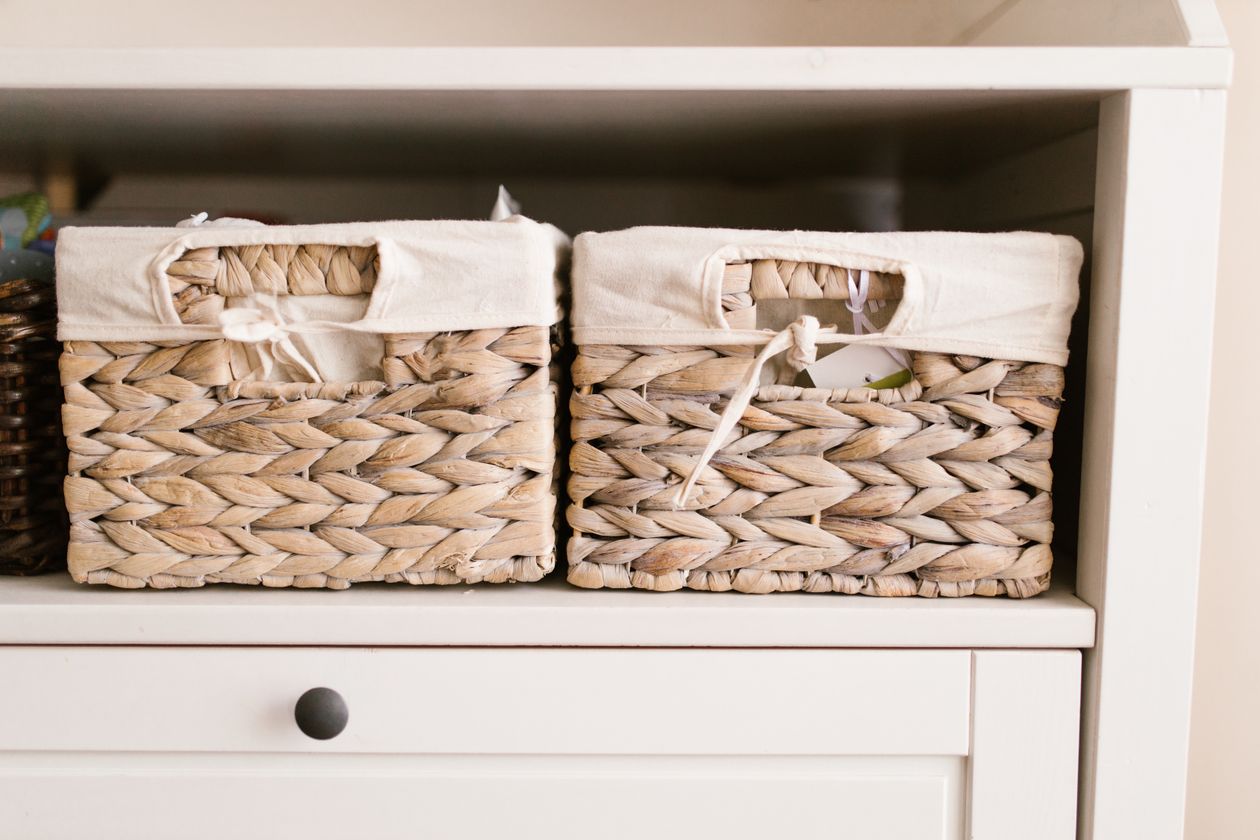
Things I rarely need live in baskets on the top shelf, out of sight but labeled and reachable. This keeps daily surfaces clear without losing track of the rarely-used items, because the basket label tells me where they are when I do need them.
The baskets stay light, since a heavy basket on a high shelf is an accident waiting for someone on a chair. The rule is that top-shelf baskets hold only things I touch monthly or less; anything I need weekly lives lower, where I can see it.
Pro Tip: I store rarely needed things in top-shelf baskets with a big label on the front, so I only climb up when I truly need them.
Cost: $10-$20 | Time: 20 minutes | Difficulty: Easy

10. A Drop Zone by the Door for Everything You Lose
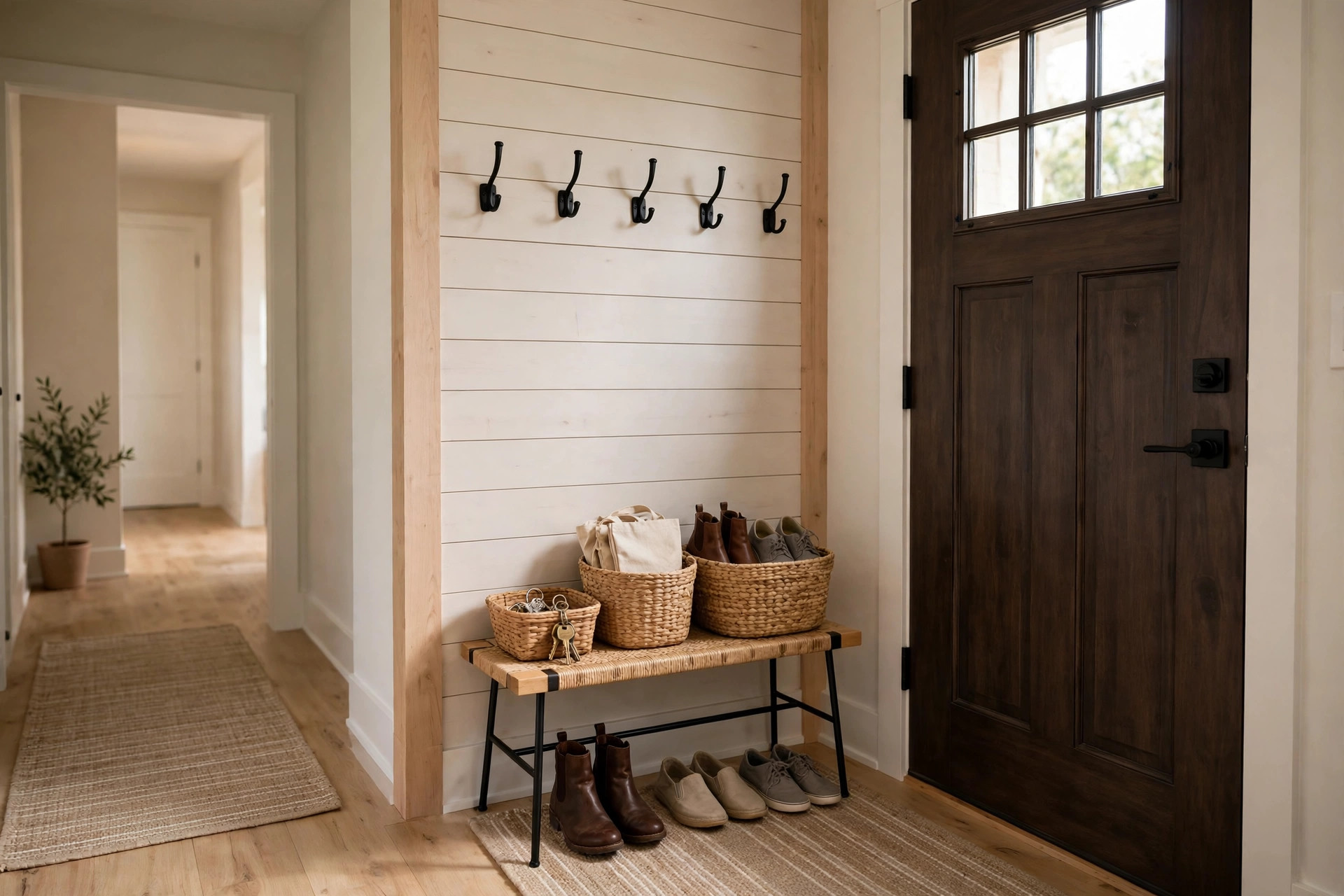
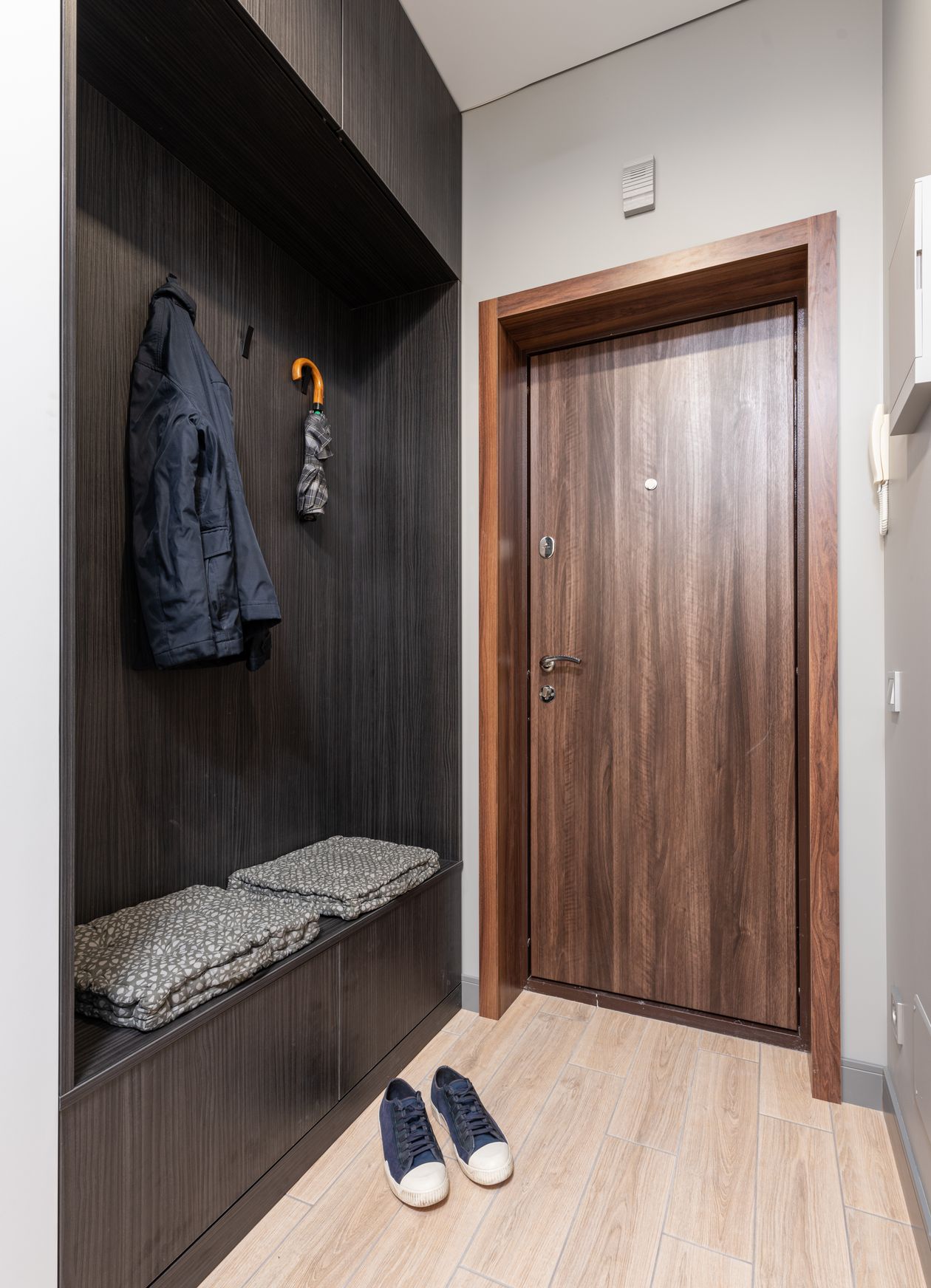
Keys, wallet, phone, bag: the things I lose daily now live in one drop zone by the door, and losing them has become rare instead of routine. The zone is small — a hook for the bag, a tray for keys and cards, a tiny shelf for sunglasses — because a big zone becomes a dumping ground.
Everything that leaves the house passes through it, so I never have to remember where I put things; I just go to the zone. The zone only works if it stays small, so once a week I clear it back to its original items.
Pro Tip: I empty my pockets into the door drop zone every time I come home, so keys and wallet always start from the same spot.
Cost: $10-$20 | Time: 15 minutes | Difficulty: Easy
CHADD’s guide to organizing the home and office says to break a complex task into smaller steps, work one section at a time with a timer, and set up a launch pad by the front door for keys, wallets and backpacks.
11. A Shoe Line, Not a Shoe Pile
Shoes in a pile are shoes that vanish under furniture and reappear single. I line shoes up in a single row on a tray by the door, which takes the same floor space as a pile but stays usable.
The tray gives the row a visible boundary, and my rule is two pairs per person on the tray; anything beyond that lives in the closet. The row works because putting shoes in a row takes no more effort than dropping them, but finding them takes seconds instead of minutes.
The honest downside is that the row needs the same weekly enforcement as every other zone: when the row grows past the tray, something moves to storage.
Pro Tip: I line shoes in a row by the door instead of a pile, so I can spot the missing pair before I am already late.
Cost: $5-$15 | Time: 10 minutes | Difficulty: Easy

12. Clear Shoe Boxes So You Stop Buying Duplicates
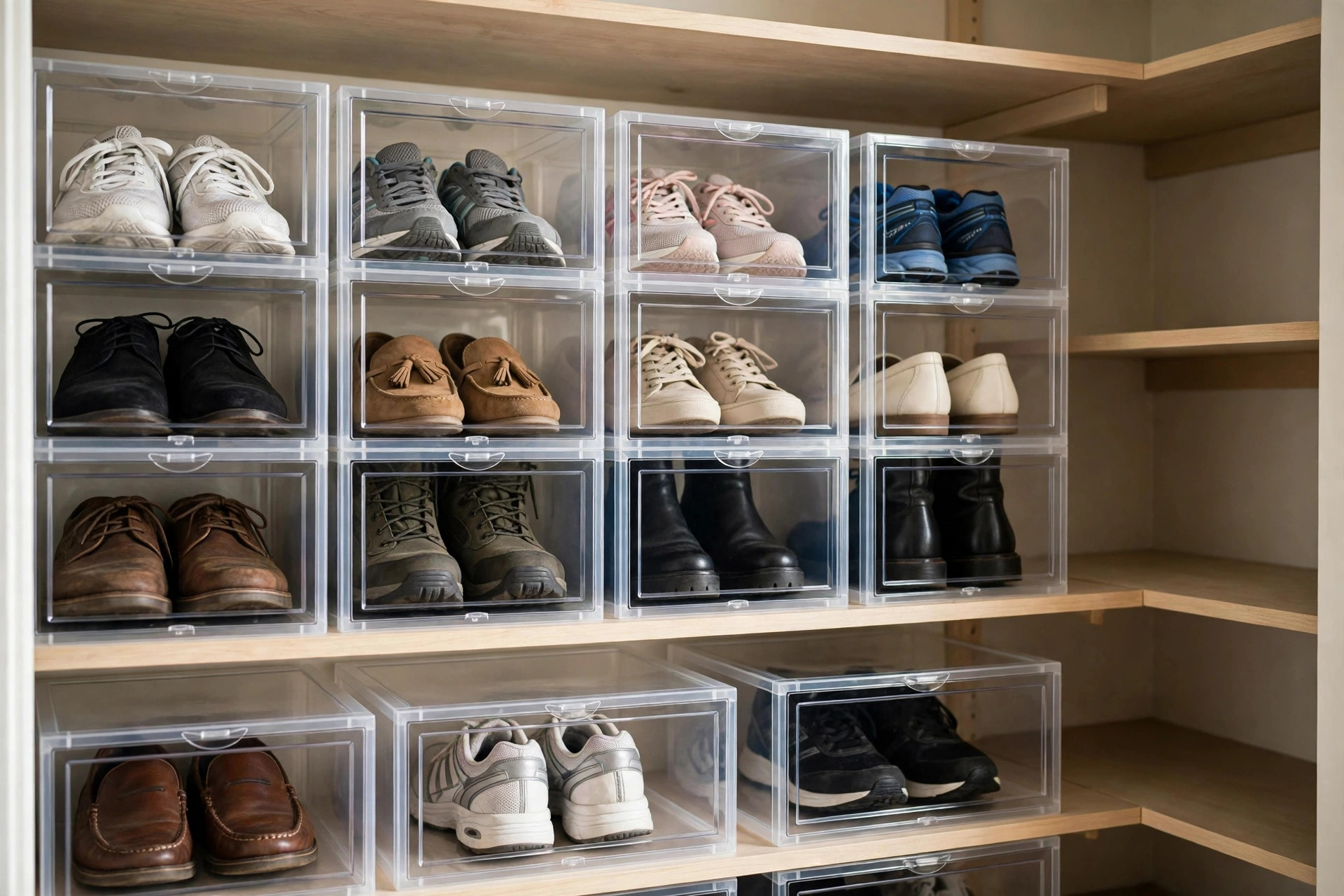
I used to buy duplicate shoes because I forgot what I owned in the back of the closet. Clear shoe boxes, stacked where I can see them, ended that completely: I can see every pair without opening anything, and the stack uses vertical space instead of floor space.
The boxes also stop shoes from migrating under beds and desks, which is where single shoes go to disappear. Keep one pair of everyday trainers outside the boxes by the door, because boxing daily shoes gets old within a week.
The downside is cost and shelf space, so I limit boxed storage to pairs worth keeping; worn-out shoes go, not into a box.
Pro Tip: I check my clear shoe boxes before shopping, so I stop buying a second pair of shoes I already own.
Cost: $12-$25 | Time: 30 minutes | Difficulty: Easy
13. Drawer Compartments That Stop the Stir
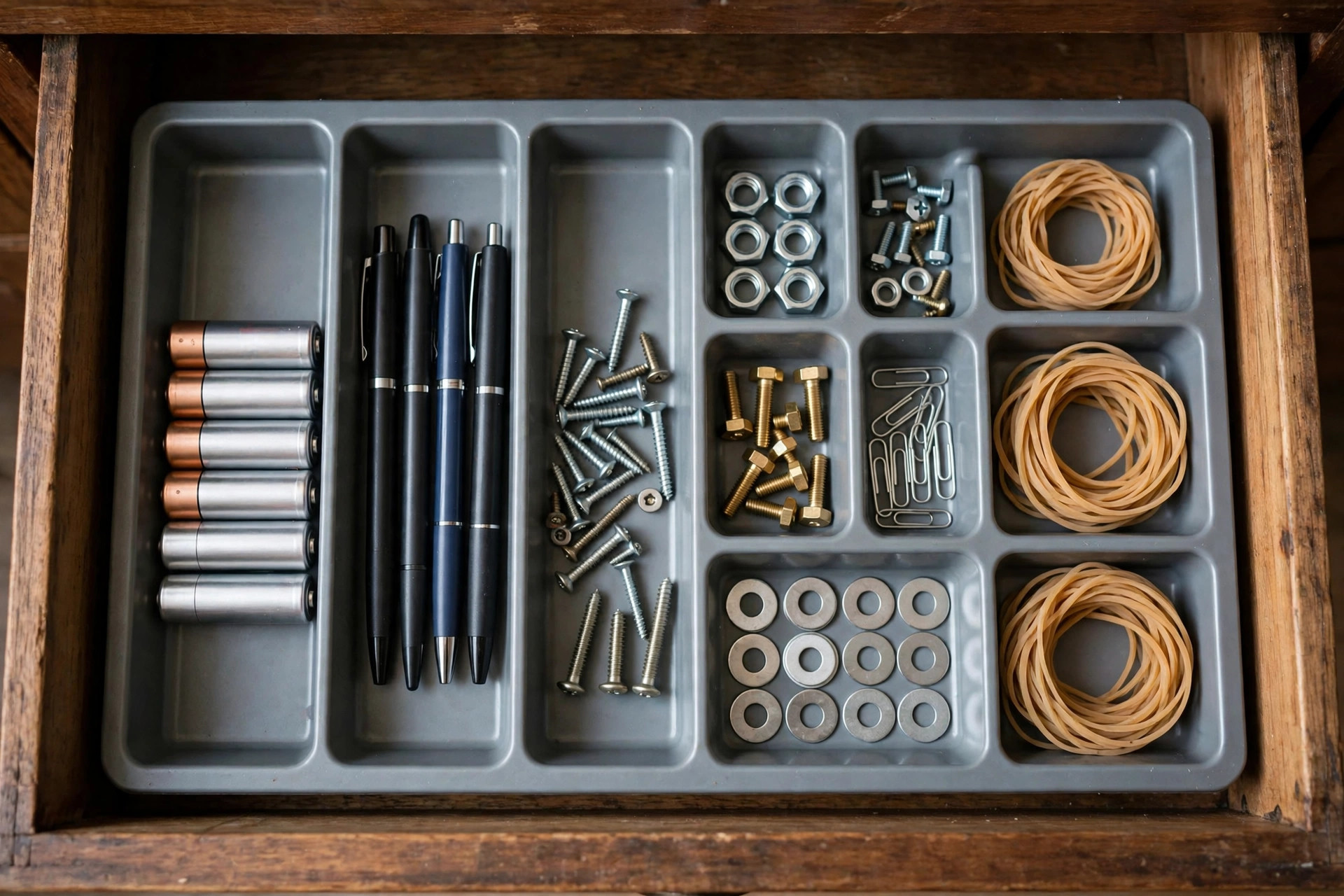
Drawers used to be soup: I stirred the whole drawer to find one item, which made a mess and wasted minutes. Adjustable compartments fixed it in twenty minutes by giving every category a lane: pens, chargers, batteries, sticky notes.
Compartments work because they stop small items from migrating into one mixed layer, and they make it obvious when something is missing. I measured the drawer before buying, because chunky organizers do not fit shallow drawers. The honest downside is that compartments shift over time, especially the spring kind, and I re-seat them every couple of months.
That tiny maintenance is worth it, because a drawer you can open and instantly use saves frustration every single day.
Pro Tip: I divide drawers into compartments so opening a drawer does not stir everything into a mixed layer.
Cost: $8-$18 | Time: 20 minutes | Difficulty: Easy

14. Tray Dividers for the Junk Drawer
Every house has a junk drawer, and mine used to be where good intentions went to die. A tray divider turned it into a tool drawer: scissors in one section, tape in another, batteries in a third. The tray lifts out, so I can carry the whole drawer to the table when a project needs supplies.
The rule is that anything without a section leaves the drawer, which stops it from refilling with random objects. The downside is that tray dividers only fit standard drawers, so measure first; my first tray was too wide by half an inch and sat unused for months.
Pro Tip: I give the junk drawer tray dividers for tape, scissors, and batteries, so the drawer stops swallowing the one tool I need.
Cost: $8-$15 | Time: 15 minutes | Difficulty: Easy
The junk drawer, rebuilt as a one-touch system, is in the junk organization solutions guide.
15. A Nightstand Zone That Ends the Morning Hunt
My nightstand used to collect chargers, books, water bottles, and snack wrappers in one sticky pile, which meant mornings started with hunting. I shrank it to three things on a small tray: phone charger, water bottle, and the book I am reading.
The tray defines the boundary; if something does not fit on the tray, it does not live by the bed. This tiny zone fixed my mornings, because my phone, water, and keys are all in one place when the alarm goes off. The downside is that a small tray fills fast, so I clear it every Sunday night.
Without that reset, the tray becomes just another pile with edges.
Pro Tip: I put tomorrow’s glasses, phone, and keys in the nightstand zone each night, so mornings start without a hunt.
Cost: $0-$12 | Time: 10 minutes | Difficulty: Easy
For teens with ADHD, the room version of these systems is in the teen organization ideas guide — the same visible, one-step rules, built around a bedroom.
The phone and charger by the bed need one visible home too — the organize cables guide gives every charger and cable its own spot.

16. Clear Counters, Clear Head
Visual clutter competes for attention, and for an ADHD brain attention is already the scarce resource. I cleared my kitchen counters to three things — kettle, fruit bowl, and a small tray for keys — and the room feels calmer in a way that is hard to overstate.
Clearing counters is not about minimalism as an aesthetic; it is about reducing the number of things demanding attention at once. Everything else lives in cupboards, in labeled bins, where it can be found without being seen constantly. If your workspace doubles as your kitchen table, my organize a home office guide shows how to keep work zones clear too.
Pro Tip: I clear counters to just the kettle and fruit bowl each evening, so the kitchen looks calm when I walk in next morning.
Cost: Free | Time: 20 minutes | Difficulty: Easy

17. A Kitchen That Stays Clear in the Evening
The evening kitchen reset is the single habit that changed my house most: two minutes to clear counters, load the dishwasher, and put the day’s things away. I do it while the kettle boils, so the habit sticks to something I already do, which is the only way habits stick for me.
A clear kitchen in the evening means a calm morning, and a calm morning means fewer lost items and less rushing. The reset does not need to be perfect; it needs to be done.
On bad days, I do a one-minute version — counters only, nothing else — and that still counts, because a system that survives bad days is a system that survives.
Pro Tip: I do a short evening reset, dishes in, counters wiped, and items back, so the kitchen does not greet me with yesterday’s mess.
Cost: Free | Time: 2 minutes a night | Difficulty: Easy

18. Labeled Cardboard Boxes for the Big Sort
When a room needs a big sort, I use labeled cardboard boxes, not fancy bins, because the sort is temporary and the boxes are free. One box per category, labeled in thick marker, and the sort becomes a physical process I can see: boxes fill up, the room empties, and decisions get made.
Cardboard boxes work for big sorts because they are cheap enough to recycle afterward, which removes the pressure to keep them. The downside is that cardboard boxes left around become permanent storage by default, so I set a rule: sorting boxes leave the house or get emptied within a week.
Pro Tip: I label cardboard boxes before I start the big sort, so sorting stays fast and boxes do not all end up marked “misc.”
Cost: Free-$5 | Time: 1 hour per room | Difficulty: Easy
Cardboard boxes cost almost nothing — the organize your life for cheap guide runs more low-cost systems that don’t need buying anything.

19. Labelled Storage Boxes on Open Shelves
Open shelves only work with labels, because an open shelf without labels is a display of clutter. I label every box on my open shelves with its contents in plain words, and the shelves stay usable instead of becoming visual noise.
The labels also let other people put things back correctly, which matters in a shared house where I am not the only one tidying. I use big, clear labels, because small neat labels get ignored by everyone including me.
The honest downside is that labels need updating when contents change, and I forgot once, which made the shelf lie to me for a month.
Pro Tip: I label storage boxes on open shelves on both the front and side, so I can read them whichever way they are turned.
Cost: $5-$15 | Time: 20 minutes | Difficulty: Easy

20. A Written List That Carries What Your Brain Drops
The least glamorous hack on this list is also the most important: I keep a written list of things to buy, fix, and remember, because my brain drops tasks the way other people drop keys.
A written list externalizes memory, which means I do not have to hold everything in my head, and holding less in my head means less anxiety and fewer forgotten tasks. I review the list every Sunday and cross off what got done, which doubles as a tiny weekly reset.
The paper list works better for me than an app because it sits where I can see it, and a list I see is a list I use.
Pro Tip: I write tasks down the moment I think of them, so my list carries what my brain would otherwise drop.
Cost: Free | Time: 5 minutes a week | Difficulty: Easy
Paper is the hardest category — the organize paper clutter guide runs the full system for the piles a written list cannot carry.

Quick Comparison: Which ADHD-Friendly Systems Help Most?
| System | Cost | Time | Best For |
|---|---|---|---|
| Visible storage + labels | $10-$30 | 1 hour | Forgetting what you own |
| Clear desk + clear counters | $0-$20 | 40 min | Attention and focus |
| Drop zone + nightstand tray | $10-$30 | 25 min | Losing daily items |
| Boards + written lists | $10-$25 | 20 min | Forgetting tasks |
| Evening reset habit | Free | 2 min/night | Keeping it all going |
Mistakes I Made
My biggest mistake was buying perfect-looking organizers before understanding my own brain, and then blaming myself when the systems failed. The systems were wrong, not me; a system that needs perfect memory and endless willpower will fail anyone whose brain works differently, and that failure is information, not a character flaw.
My second mistake was trying to organize everything at once, which led to half-finished projects in every room; one zone at a time, finished properly, beats five zones started and abandoned. My third mistake was choosing complicated systems with many steps, when every extra step is a reason to quit.
Now I design for my worst day, not my best, and the systems that survive bad days are the ones that survive. If you want the bigger picture on why this effort pays off, my guide to the reasons to stay organized is a good reminder on the days when it feels pointless.
Frequently Asked Questions
What is the best organization system for ADHD?
The best system is visible, one-step, and forgiving: clear bins you can see into, open baskets without lids, and labels that answer where things belong. A system you can use on a bad day beats a perfect system you abandon in a week.
How do I stop losing things with ADHD?
Give everything a single home in a place you already pass daily: a drop zone by the door for keys and bags, a tray by the bed for your phone and charger. One home, always the same, beats five “sensible” places you forget.
Why do I buy duplicates of things I already own?
Because hidden storage makes you forget what you own. Clear bins, open shelves, and labeled boxes let you see your belongings, which stops duplicate buying and saves money over time.
How do I maintain organization when I have no energy?
Design for your worst day: two-minute resets, open baskets, and one-step systems. On bad days, do the one-minute version and count it as done. A system that survives bad days is a system that survives.
Should I organize everything at once?
No. Pick one zone — the desk, the door, or one drawer — and finish it completely before starting another. Finished zones build confidence and momentum, while half-finished rooms in every direction just add stress.
Final Thoughts
ADHD friendly organization hacks are not about trying harder; they are about building systems that carry what your brain drops. Make it visible, make it one step, make it forgiving, and put homes where you already go. Start with the drop zone, the clear desk, and one written list, and live with those for two weeks before adding more.
You do not need a perfect home; you need a home that works on your worst day as well as your best. Be kind to yourself in the process, because the goal is a calmer life, not a flawless one, and calmer is absolutely achievable.



One Comment